
MCA Reconciliation Clauses: What Business Owners Should Know
What happens if sales fall 30% but the withdrawal from your account does not? That question makes the reconciliation clause important before funding. Merchant cash advance rates are often discussed through factors or total payback. Yet the way collections work matters just as much as price. Some agreements may allow collections to be reviewed when actual receivables change. Other agreements may use a different process. The wording, required documents, timing, and steps can vary by provider. A business owner should read the actual agreement carefully. Do not assume the withdrawal will fall automatically when sales fall. Price alone does not show how the financing will behave when revenue changes. The collection process can matter just as much during a weak month.
What Reconciliation Means in an MCA Agreement
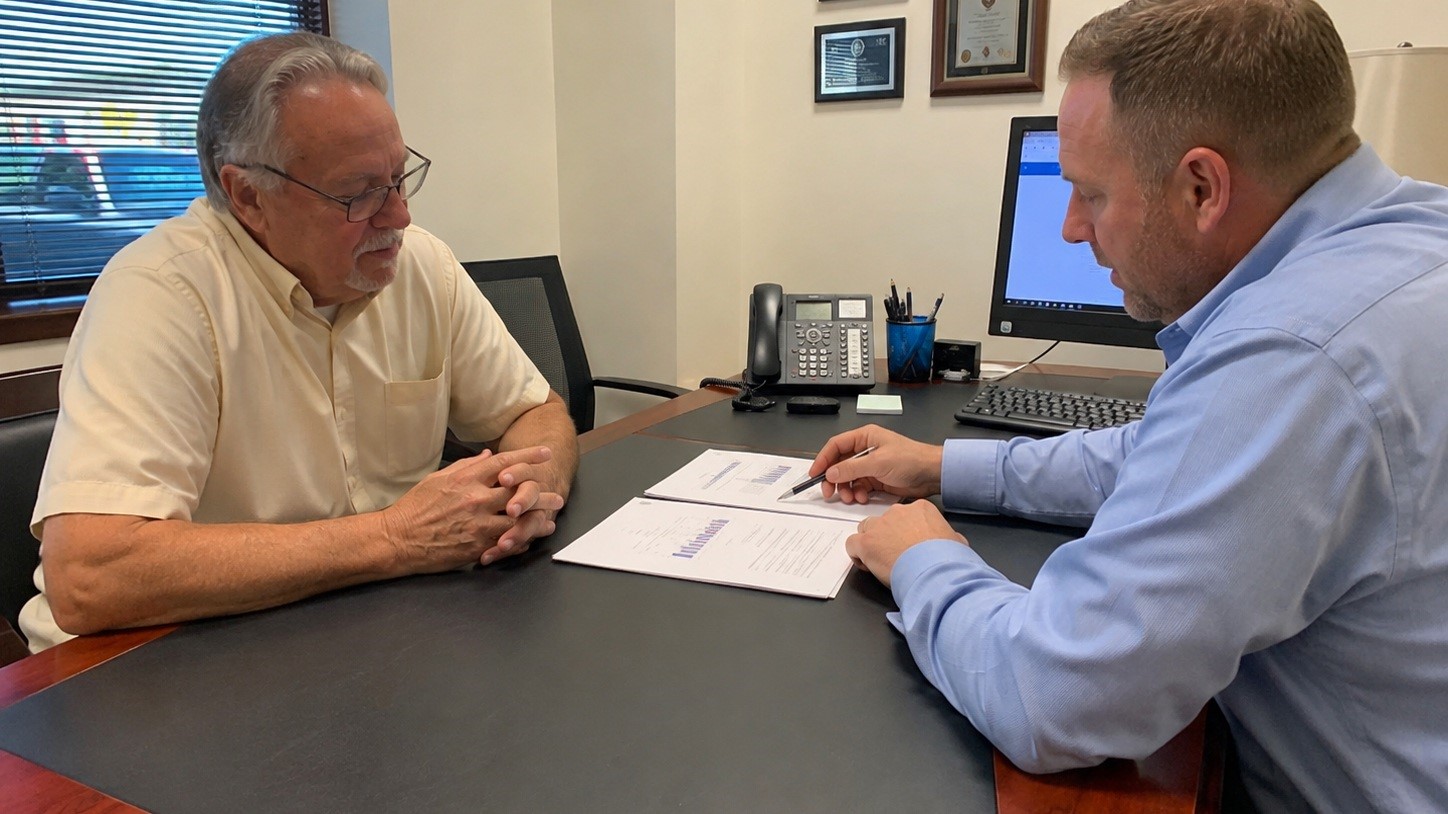
Reconciliation is a contract process that may allow collections to be reviewed. The review may compare the payment with actual receivables or revenue. The exact right and procedure depend on the agreement. This matters because owners often hear that an MCA is ‘based on sales.’ They may then expect daily or weekly debits to change automatically. That may not happen under a specific contract. Some arrangements use a fixed-looking ACH amount based on estimated receivables. The merchant may have to request a review when performance changes. Before signing, check whether a reconciliation provision exists. Ask what financial information must be provided and when. Also check what happens while the request is under review. If the wording is unclear, qualified legal advice may be appropriate. Keep copies of all reconciliation requests, supporting records, and provider responses. Good records show what was requested and when. They also reduce confusion if representatives change or a later dispute arises. Ask whether there is a deadline for submitting the request. Also confirm how long the provider may take to respond and what debit applies during that period.
Why Fixed-Looking Withdrawals Can Hurt a Slow Month
Imagine a business with $120,000 in normal monthly deposits. Sales then fall temporarily, and deposits drop to $80,000. Payroll, rent, insurance, and vendor costs may not fall as quickly. If the financing withdrawal stays the same, its cash-flow burden rises sharply. That is the core risk. A legal dispute is not required for the business to feel pressure. Revenue only has to fall while collections stay high. Test financing against weaker months, not only normal sales. The actual contract should define how revenue-linked financing works. Do not rely only on assumptions from a sales conversation. A payment that works in a busy month may become difficult quickly. Customer delays or seasonal declines can expose that weakness. A slow month can also reveal an original affordability problem. If the payment only works at peak revenue, reconciliation may not be the main issue. Financing should be tested against normal business volatility before closing. This is especially important for seasonal businesses. A payment that fits peak sales may consume too much cash when revenue returns to its normal lower range.
Questions to Ask Before Signing
Ask specific operational questions before signing. Is there a reconciliation provision? What sales or bank records are required? How often can a review be requested? Is there a deadline? How long does the provider have to respond? Does the current debit continue during the review? What happens if reported receivables are disputed? Also ask about the total amount purchased or repaid. Review all fees, the expected collection period, and early-payoff terms. These questions matter as much as the headline merchant cash advance rates. If you are also considering a short term business loan, compare both options side by side. List net funds received, payment frequency, total payback, and annualized cost where useful. Also compare the cash left after each payment. A lower collection amount is not always a lower total contractual obligation. The two can be different. A smaller periodic debit may improve short-term cash flow. Depending on the contract, it may also extend collections or leave the purchased amount unchanged. Ask whether any review changes only the periodic debit or also affects the overall obligation. The answer depends on the wording of the specific agreement.
Compare the Clause With a Standard Loan Schedule
A conventional amortizing loan usually follows a set payment schedule. The borrower knows the due date and the term. The agreement also explains how principal and interest are repaid. The rate may be fixed or variable, depending on the contract. This predictability can make budgeting easier. MCA collections may work around receivables and use different contract terms. Neither structure is right for every business. Ask which payment pattern fits the company’s actual cash cycle. A business with uneven revenue may value flexibility. That flexibility must exist in the agreement and work in practice. A company with steady receivables may prefer a monthly payment. It can then plan payroll, vendors, and taxes around one known obligation. Also compare the administrative burden. A scheduled loan may require more underwriting documents but less ongoing reporting. A revenue-linked arrangement may start faster but require continued monitoring or reconciliation. The better fit depends on both cost and the owner’s ability to manage the process. Owners should also consider how much ongoing reporting they can manage. A structure that needs frequent records may add work even when the payment is flexible.
Where Money Man 4 Business Fits
Money Man 4 Business encourages owners to compare financing through true cost and cash flow. The review should go beyond the approved amount. It should also test how repayment behaves in a weaker month. MM4B can compare high-frequency financing with monthly-payment term or consolidation options. Availability depends on qualification and the business need. The company also uses true APR or annualized cost when that comparison is meaningful. This avoids treating an MCA factor like a normal loan interest rate. Clients can work with a CFO with 34+ years of experience. That support can help review payment timing and cash-flow capacity. The aim is to understand repayment before the money arrives. Commercial financing rules and enforceability may vary by jurisdiction and contract. This article provides financial education, not legal advice. If a reconciliation clause drives the decision, qualified counsel can review the actual agreement before funding. The contract itself remains the main source for legal rights and duties. Business owners should not rely on general descriptions when the wording is unclear.

Frequently Asked Questions
Does every MCA have a reconciliation clause?
No. Agreement structures vary. A business should read its actual contract and should not assume that a reconciliation right exists or works the same way across providers.
Does reconciliation automatically reduce what I owe?
Not necessarily. Reconciliation may address how collections are matched to actual receivables, depending on the agreement. It should not be assumed to erase the underlying purchased amount or contractual obligation.
What documents may a provider request when sales fall?
That depends on the contract, but bank statements, processing records, sales reports, or other evidence of actual receivables may be requested. Check the agreement for the exact process.
The Contract Matters Most When Revenue Stops Behaving Normally
Do not assume revenue-based financing will adjust itself during a slow month. Read the reconciliation language and understand the request process. Then compare that cash-flow risk with a scheduled loan structure. Money Man 4 Business can help owners review monthly-payment alternatives and true cost. The comparison should also show how much operating cash remains after financing.
💡 Ready to grow your business?
Explore your funding options with Money Man 4 Business. We specialize in working capital and consolidation in different USA states and cities. Check our State wise Small Business Loan Insights