
Business Debt Consolidation Roadmap for High-Cost Obligations
If four lenders are taking money from one account, should the next financing decision be another lender or one restructuring plan? Business debt consolidation starts by viewing every obligation together. Credit cards, MCAs, ACH products, and equipment debt may look different. They still compete for the same operating cash. Monthly payment business financing may replace several frequent obligations with one predictable structure. That depends on qualification and the available program. Consolidation does not make debt disappear. The owner should know what is being replaced and what the new loan costs. The more important question is whether the business keeps more usable cash afterward. Each obligation may look manageable by itself. The problem appears when every payment is placed against the same payroll, tax, and vendor calendar.
Inventory Every Obligation First
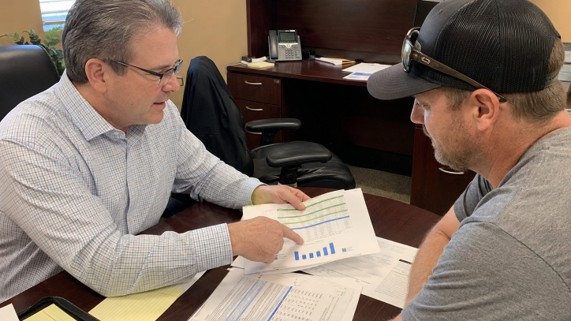
Do not begin with the size of the new loan. Begin with a complete debt inventory. List every lender or provider and the current balance. Add the payoff amount, payment amount, frequency, and estimated remaining term. Also record interest or factor information, fees, collateral, liens, guarantees, and prepayment terms. If a payoff changes daily, note the date. Then calculate how much cash all obligations remove each month. This schedule becomes the baseline for the consolidation review. Without it, a lower payment can look better than it really is. Some debts may remain outside the refinance. New fees may also change the economics. Compare the proposed consolidation with the entire debt stack. Do not compare it with only one selected obligation. The inventory should also show personal guarantees and secured assets. Those details can affect refinancing order and lender security requirements. The inventory should be updated again before closing. Daily collections can change payoff figures, and a stale schedule may leave the replacement amount too high or too low.
Identify Which Debts Create the Most Pressure
The largest balance is not always the biggest source of pressure. A smaller obligation may collect far more often. That can hurt operations more than a larger monthly loan. Rank each debt by cash-flow burden, true cost, and strategic importance. Cash-flow burden looks at how much leaves the account and how often. Cost includes interest, fees, factor pricing, and total repayment. Strategic importance asks whether the debt supports an essential asset or relationship. This ranking helps show which obligations deserve attention first. It may also show that not every debt needs consolidation. Keep financing that is reasonably priced and well matched to the business. Focus on obligations that create the greatest stress. A simple score can help. Rate payment frequency, effective cost, remaining term, and operational risk. The method does not need to be complicated. It simply separates inconvenient debt from debt that is actively damaging cash flow. This ranking can also guide the order of payoffs. Debt tied to critical equipment or an important banking relationship may need different treatment from unsecured short-term debt.
What Consolidation Can and Cannot Do
Consolidation can simplify payment schedules and may improve cash flow. It often does this by spreading repayment over a more manageable term. One scheduled payment can also make budgeting easier. Still, consolidation cannot erase principal or fix an unprofitable business model. It also cannot guarantee savings. A small business term loan used for consolidation still carries a cost. A longer term may lower the monthly payment while increasing total interest. Compare total payback before and after refinancing. Do not judge the deal only by the first month’s relief. Also review liens, guarantees, and payoff conditions. A stronger consolidation creates a sustainable payment and a clearer debt-reduction path. It should not simply delay the same problem. The business also needs a plan to avoid rebuilding old balances. If paid-off cards or revolving facilities are used again immediately, the debt stack can return quickly. Owners should also decide what happens to paid-off revolving accounts. Leaving them available without clear rules can make it easy to rebuild the same balances later.
Choose the Replacement Structure Carefully
Place the proposed replacement loan beside the current debt schedule. Compare net proceeds, payoffs, fees, payment, term, and total repayment. Also review the rate or true APR, collateral, guarantees, and prepayment terms. Then stress-test the payment during a weak month. Can the business cover the new payment, payroll, taxes, and vendors? Can it still keep a reasonable cash buffer? If yes, the structure may be healthier. If almost no operating cash remains, changing payment frequency is not enough. The amount borrowed or the term may need to change. Consolidation should create clear breathing room. It should not stretch debt beyond the business recovery plan. The closing date also matters. Payoff figures may change while daily or weekly collections continue. Use current numbers and a clear payoff process. Good coordination lowers the risk of leaving a small balance behind. The comparison should show the bank balance after the proposed payment. A lower payment is useful only when enough cash remains for normal business volatility.
How Money Man 4 Business Handles Qualifying Consolidation
Money Man 4 Business focuses on consolidation and cash-flow improvement. MM4B can review current payoffs and payment frequency. It can then compare available monthly-payment structures. Depending on the product, underwriting, and availability, advertised terms may range from 1 to 25 years. That range is a planning tool, not a promise of the longest term. MM4B also states that qualifying consolidation of eligible high-cost debt may reduce interest and fees by two-thirds or more. Actual savings depend on the debts replaced and the new terms. Clients can work with a CFO with 34+ years of experience. That review can help decide whether the business needs consolidation, new capital, or both. After closing, compare the first three to six months with the original projections. If reserves are not rebuilding or overdrafts continue, management should adjust operations before borrowing again. The first months after closing should be treated as a test period. Compare actual cash flow with the forecast and address any gap before taking on more debt.

Frequently Asked Questions
Can MCAs, cards, and short-term loans be consolidated together?
Sometimes. The debts that can be included depend on the refinancing product, payoff requirements, liens, underwriting, and the business profile. Each obligation should be reviewed individually.
Does consolidation hurt cash flow at first?
Closing costs or payoff requirements can affect the transaction, but the purpose of a well-structured consolidation is usually to improve the ongoing cash-flow burden. Compare the complete before-and-after picture.
Are savings guaranteed?
No. Savings depend on existing costs, payoff amounts, the new rate, fees, and term. Any savings claim should be verified with an apples-to-apples comparison of the current obligations and the proposed financing.
Consolidation Works Best When Every Debt Is on the Same Page
Start with visibility. Put balances, payoffs, payment frequency, true cost, and cash-flow burden together. Only then compare monthly-payment refinancing. Money Man 4 Business can help owners review qualifying consolidation options. The structure should leave more operating cash while keeping total cost clear. End the process with a written post-closing plan. Record which debts are gone, which remain, and the new monthly obligation. Also set a reserve target. This makes the refinance more likely to become a real reset, not the start of another debt stack. The written plan should also state how the monthly savings will be used. Reserves, taxes, and overdue vendor balances often need attention before new expansion.
💡 Ready to grow your business?
Explore your funding options with Money Man 4 Business. We specialize in working capital and consolidation in different USA states and cities. Check our State wise Small Business Loan Insights