
Auto Repair Shop Financing: Parts, Equipment, and Cash Flow
If a diagnostic system or lift fails today, can your shop afford to wait – and can it afford the wrong financing? Auto repair shops have two very different capital needs. Some spending is urgent, such as replacing failed equipment. Other spending is strategic, such as adding a lift or alignment system to increase capacity. Small business equipment financing can help, but owners should separate emergencies from planned upgrades before choosing a loan.
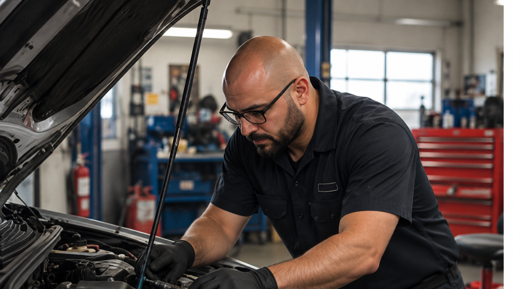
Separate Emergency Repairs From Planned Upgrades
An emergency repair is about restoring current capacity. A planned upgrade is about creating new capacity or efficiency. Those goals should be modeled differently. An urgent replacement may have limited options because the shop needs to reopen a bay quickly. A planned purchase gives the owner more time to compare terms and expected return.
Equipment financing should be tied to the useful life and revenue impact of the asset. A lift that will serve the shop for years should not automatically be funded with an extremely short repayment period. A small repair, however, may not justify a long loan. Match the debt to the problem.
Build the Full Equipment and Installation Budget
The sticker price is only part of the project. Diagnostic systems may require software, subscriptions, training, or calibration. Lifts and alignment equipment may require electrical work, concrete changes, delivery, and installation. A complete budget prevents the owner from closing a loan and then discovering another unfunded cost.
Equipment loan rates matter, but a complete budget matters just as much. A lower rate does not help if the shop underestimated the project by 20%. Build the full number first, then compare financing. That makes payment planning much more accurate.
Track Parts and Technician Cash Flow
Parts and payroll often leave the account before the customer or fleet account pays. That can create pressure during busy weeks. Shops with commercial accounts may wait longer for payment than retail customers. Owners should separate equipment debt from day-to-day working cash so one does not hide problems in the other.
A small business loan payment calculator can estimate the monthly obligation on a planned purchase. Place that payment beside payroll, rent, parts, and normal overhead. If the new payment forces the shop to rely on credit cards for everyday parts, the equipment deal may be too aggressive.
Test the Payment Against Slower Weeks
Repair shops are not equally busy every week. Weather, seasonality, staffing, and warranty work can change revenue. Test the new payment against a conservative month, not the best month of the year. Also model one unexpected repair to the new equipment or one technician vacancy.
The strongest equipment purchase creates enough capacity or efficiency to carry its own payment with room left over. If the return depends on every bay staying full, the shop may need a smaller project or a longer term. Good financing creates breathing room, not constant pressure.
How Money Man 4 Business Can Compare Equipment and General Financing
Money Man 4 Business looks at the whole financing picture, not only the approval amount. Owners can compare monthly payments, true APR where available, term length, and the effect on working cash. Money Man 4 Business can also review whether a term loan, SBA option, consolidation, or another structure fits the need. The process includes CFO-level guidance backed by more than 34 years of experience. Depending on the program and underwriting, terms can be structured across a wide range, including longer repayment periods. The goal is simple: choose financing that the business can carry after the money arrives.
Money Man 4 Business can help an auto shop compare the equipment purchase with the rest of the business cash flow. The review can include expected revenue from the new asset, monthly payment size, true cost, and whether other high-cost debt should be consolidated first. That keeps the new equipment from being added to an already stressed debt structure.
Shop owners should also track how often the new equipment is actually used. If utilization stays low, the expected return may not appear. That information can guide staffing, marketing, pricing, and the timing of the next equipment purchase. Financing works best when the shop treats the asset as an operating investment, not just a new tool.
Before signing, put the proposed payment into a simple monthly forecast and compare it with the business’s weaker months. That single step often shows whether the structure is comfortable or whether the amount, term, or timing should change before the agreement is final.
Practical Planning Before You Apply
Repair-shop owners should estimate the revenue capacity created by each new asset. A second lift, alignment rack, or diagnostic system should either increase the number of jobs, reduce outside work, or improve labor efficiency. If the benefit cannot be described clearly, the shop may be buying equipment before it has enough demand to support it.
Parts credit should be reviewed separately from equipment financing. Supplier accounts can help the shop manage normal parts purchases, but they can also hide weak cash flow if balances keep rising. Before taking new small business equipment financing, check whether supplier balances and credit cards are already carrying too much of the day-to-day operation.
Technician productivity also affects the return. A new machine may save time, but only if staff are trained and the workflow uses it well. Include training hours and learning time in the launch plan. The monthly payment starts quickly, while the full operating benefit may take several weeks to appear.
Use a small business loan payment calculator to compare more than one term. Then add the full project cost, not just the equipment price. A longer term may lower the payment, but the owner should also review total interest and the expected life of the asset. The best structure balances monthly affordability with reasonable total cost.
One more test is useful: ask what happens if a key technician leaves. If the equipment depends on one person, the shop should have a training or hiring plan before borrowing. Good equipment can still become an expensive idle asset when staffing is overlooked. Financing and workforce planning should move together.
Shop owners should also review how quickly new equipment pays for itself. Estimate added jobs, labor hours saved, and outside services that can now stay in-house. Then compare that benefit with the monthly payment. Small business equipment financing is easier to justify when the asset has a clear revenue role. Owners should also plan for software subscriptions, calibration, and service contracts. Those costs continue after installation. Equipment loan rates matter, but the full monthly cost matters more. A lower rate does not help if the total project still leaves too little cash for parts, payroll, and normal shop expenses.
It also helps to compare repair history before replacing equipment. A machine that fails often may cost more in downtime than a new payment would cost. That comparison turns the financing choice into an operating decision, not just a borrowing decision. That protects daily operations too.
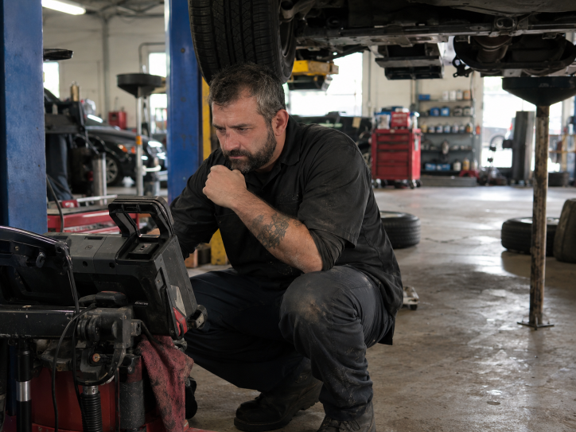
Frequently Asked Questions
Can an auto shop finance diagnostic equipment?
Yes, many equipment programs can cover diagnostic systems and related business equipment, subject to underwriting and lender terms.
Should emergency repairs use the same financing as planned upgrades?
Not always. Emergency needs are short and urgent, while planned upgrades may support a longer-term investment case. The structure should match the purpose.
How do I estimate an affordable equipment payment?
Estimate the payment, then place it inside a conservative monthly cash-flow forecast that includes payroll, rent, parts, and slower weeks.
Final Thought
Auto-shop financing should keep bays productive without draining the parts and payroll account. Fund the right asset, include installation costs, and test the payment before committing.
💡 Ready to grow your business?
Explore your funding options with Money Man 4 Business. We specialize in working capital and consolidation in different USA states and cities. Check our State wise Small Business Loan Insights