
Houston Hurricane-Season Contingency Financing: Build the Capital Plan Before the Storm
Houston businesses know that hurricane season is not just a weather issue. It is a cash-flow issue as well. A storm can interrupt revenue, delay customer payments, damage inventory, increase supply costs, and create emergency spending for cleanup or temporary operations. That is why some owners review working capital loans houston before the season gets serious. Financing should not replace preparation, but it can become an important part of a broader contingency plan.
Why storm planning needs a cash component
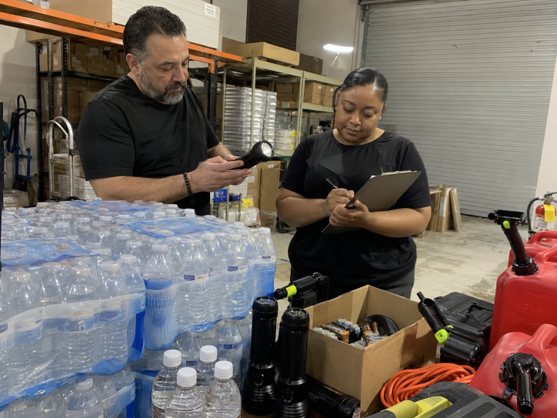
Most contingency planning focuses on safety, backup files, insurance contacts, and physical preparation. Those steps matter, but businesses also need to think about money. Can payroll be covered if operations stop for a week or two? Is there enough cash for generators, cleanup, spoilage, temporary inventory, or a quick shift to another location? A written storm plan is stronger when it includes an operating cash plan.
This is where business working capital loans may come into the discussion. The goal is not to borrow because a storm might happen someday. The goal is to understand what funding options are available if the business needs a reserve, an emergency cushion, or recovery support. Planning before the emergency usually creates better choices than borrowing after stress has already hit.
What hurricane-related cash needs usually look like
Storm-related cash needs usually fall into a few categories. There are preparation costs, such as emergency supplies, backup power, inventory protection, and communication systems. There are interruption costs, such as payroll during closure or delayed collections. And there are recovery costs, such as repairs, replacement inventory, cleanup, temporary relocation, or catch-up marketing once the business reopens.
A business comparing a working capital loan with monthly payments should think about which of those categories is most likely. A restaurant may focus on spoilage and reopening cash. A service company may focus on payroll and fuel. A retailer may focus on damaged inventory and delayed traffic. The same storm can create different financing needs for different businesses.
Why the timing of financing matters
If a company waits until after major disruption, it may be making decisions under stress. Records may be harder to gather. Management may be distracted. Cash may already be tight. Pre-season planning creates more control. Even if the business does not draw funds immediately, knowing what is available can reduce uncertainty and support faster decision-making if conditions worsen.
Some owners also prefer business loans with monthly payments houston tx because predictable monthly obligations are easier to fit into recovery planning. During a post-storm period, cash needs are already uneven. A repayment structure that is simple to budget can be easier to manage than one that creates constant small deductions.
What owners should avoid
One mistake is borrowing too much in the name of emergency planning. Financing should be based on a reasonable disruption scenario, not the most extreme possibility imaginable. Another mistake is assuming insurance alone will solve the timing issue. Insurance may help, but claims can take time, deductibles apply, and not every cost is covered immediately.
A third mistake is thinking contingency financing must stand alone. In reality, the best plan often combines savings, insurance, vendor flexibility, and access to working capital loans houston if needed. Financing is one layer of resilience, not the whole plan.
How to build a storm-season capital plan
Start by estimating the cost of a short disruption. How much cash would the company need for one week, two weeks, or one month of reduced operations? Include payroll, rent, utilities, emergency supplies, and the most likely recovery expenses. Then compare that number to current reserves and insurance timing. The remaining gap is the amount that may need outside support.
This exercise makes business working capital loans easier to review because the owner knows what the money is for. It also helps prevent overborrowing. If the likely gap is smaller than expected, the business may only need a modest reserve or access to financing rather than a large funded amount.
How Money Man 4 Business helps Houston businesses prepare
Money Man 4 Business helps business owners compare contingency financing in a practical way. A Houston company can review the likely cash gap, the payment structure, and whether a term facility or other working-capital option makes sense for preparedness or recovery. The discussion stays focused on continuity: how to keep the business operating or restart it quickly after disruption.
With more than 34 years of experience and CFO-level guidance, Money Man 4 Business helps businesses compare working capital loan with monthly payments and other options with more discipline. That helps the owner prepare before the storm instead of reacting blindly after it.
Build the emergency file before weather changes
The best contingency plan combines cash reserves, insurance, vendor flexibility, and access to working capital loans houston if needed. Financing is most useful when it fills a clearly defined gap after those other layers are considered. That keeps the business prepared without pushing it into unnecessary debt before storm season even begins.
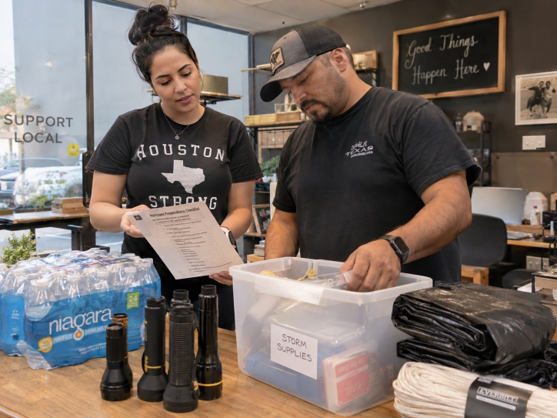
Businesses should also estimate the cost of critical supplies such as water, fuel, flashlights, tarps, batteries, protective materials, or temporary equipment. If the business expects spoilage or damaged inventory, that should be estimated too. Owners comparing business loans with monthly payments houston tx can then match financing to a realistic disruption scenario instead of making decisions under pressure when stores are empty and time is short.
A strong storm-season plan usually starts with one organized file. That file should include insurance contacts, key vendor numbers, payroll obligations, lease details, backup-data steps, and a list of the first expenses the business would face during a shutdown or reopening. This preparation makes a working capital loan with monthly payments easier to evaluate because the owner can see what the money would actually need to cover.
The business should also identify which expenses must be paid even if the location cannot open. Payroll for key staff, rent, insurance, security, data systems, and vendor commitments may continue during a closure. Owners reviewing working capital loans houston should build those fixed costs into the disruption estimate so the financing need is based on real obligations rather than a rough guess.
After hurricane season, the plan should be reviewed again. Any borrowed amount should be compared with actual recovery costs, insurance proceeds, and the speed of reopening. That review helps the owner decide whether to repay faster, keep a reserve, or adjust future contingency planning. A working capital loan with monthly payments should support recovery without becoming a long-term burden after the emergency has passed.
Owners should also decide in advance who can approve emergency spending and who will contact employees, customers, vendors, and insurers. Clear roles reduce delays during a stressful event. If financing is needed, the business can act faster because the decision process is already defined instead of being created during the emergency.
That preparation reduces confusion later.
Frequently Asked Questions
Should a business arrange financing before hurricane season? In many cases, yes. Early planning usually gives the owner more flexibility and less stress.
Can insurance replace the need for contingency financing? Not always. Insurance may help, but claims timing and uncovered costs can still create a cash gap.
What is the first step in a storm financing plan? Estimate the likely cash needed during interruption and recovery, then compare it with reserves and insurance timing.
Final Thought
A hurricane-season financing plan is really a business continuity plan for cash. Know the likely gap, review options early, and build the capital plan before the storm appears on the map.
💡 Ready to grow your business?
Explore your funding options with Money Man 4 Business. We specialize in working capital and consolidation in different USA states and cities. Check our State wise Small Business Loan Insights