
Payroll Financing: Useful Bridge or Warning Sign?
If you need financing for payroll this week, is the problem a one-time timing gap or a recurring operating loss? That is the question every owner should answer before borrowing. Payroll is different from many other costs. It is fixed in time, emotionally heavy, and hard to postpone. That pressure can push owners toward fast money without asking why cash is short. Payroll financing can be useful in the right situation, but it can also hide a bigger operating problem that no loan should be asked to fix alone.
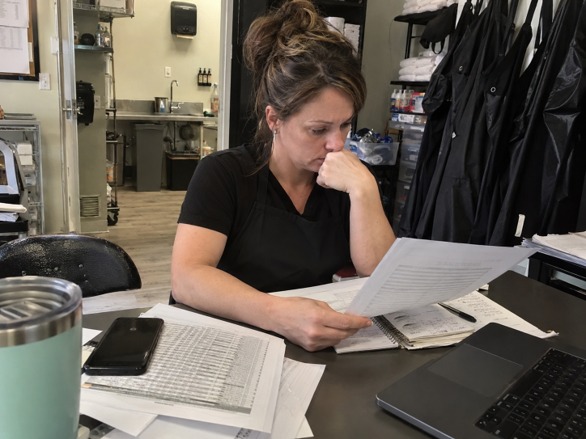
First, Identify Why Payroll Is Short
There are several possible reasons. A large customer may have paid late. The business may be growing and hiring ahead of receivables. A seasonal slowdown may have hit just before a busy period. Or the company may be dealing with shrinking margins and chronic losses. Each cause points to a different answer. The owner should not borrow until the cause is clear, because the wrong diagnosis usually leads to the wrong debt.
Owners looking at business loans for small business purposes sometimes treat every cash shortfall the same. That is risky. A temporary gap may support financing. A structural loss may not. The goal is to separate timing issues from operating weakness. When that distinction is clear, the owner can judge whether outside capital is a bridge toward collected cash or just a delay before the next crisis.
When Temporary Financing Can Make Sense
Temporary financing may make sense when a known inflow is delayed but highly likely. For example, a completed job may be waiting on payment, or a predictable receivable may land just after payroll is due. In that case, a carefully structured loan can protect employees and keep operations steady. The key is having a defined repayment source before taking the money.
Even then, structure matters. A short term business loan with aggressive repayment may solve Friday’s problem and create pressure next week. A more predictable monthly structure may be healthier if the business needs time to collect. Owners should compare speed with fit. Fast funding is not automatically good funding. Payroll needs certainty, and the financing used for payroll should preserve as much certainty as possible.
When It Becomes a Warning Sign
Payroll borrowing becomes a warning sign when it happens often. If the business repeatedly borrows for wages, it may be dealing with weak margins, tax issues, overstaffing, or an unhealthy debt load. In that setting, another advance can keep the lights on briefly while making the long-term position worse. Repeated emergency borrowing is usually a symptom, not a strategy.
A small business loan should support a plan, not replace one. If payroll is short every cycle, the owner may need pricing changes, cost cuts, receivable improvement, or debt restructuring. This is where honest review matters most. It is hard to step back when payroll is due, but the business needs a fix that reaches beyond the next pay period.
Set the Repayment Source Before Borrowing
Before accepting payroll financing, define the repayment source clearly. Will it come from a specific receivable, a known customer payment, a seasonal upswing, or a broader refinancing plan? If the answer is vague, the loan may not be appropriate. Borrowing works best when the exit path is visible from the start.
Money Man 4 Business helps owners evaluate that path by looking at cash flow, true APR, debt mix, and payment frequency. In some cases, the right answer is a structured term loan or consolidation that replaces more expensive obligations with a manageable monthly payment. In others, the best answer may be to pause and address the operating issue first. Payroll financing should be used with clarity, not panic.
One practical habit can improve almost every financing decision: write the numbers down in one place and review them before urgency takes over. Owners who do this usually spot the pressure points earlier, ask better questions, and avoid borrowing only because the clock feels loud. Clear information rarely removes every risk, but it often removes the avoidable risk created by confusion.
Frequently Asked Questions
Can a business loan be used for payroll?
Yes, in many cases it can. The more important question is whether payroll is short because of a temporary gap or because the business has a deeper operating issue.
Is repeated payroll borrowing dangerous?
It can be. Repeated borrowing often points to weak margins, poor collections, or too much existing debt. Those issues need direct attention.
What repayment source should I identify first?
Start with the most likely and visible source, such as a receivable, a seasonal inflow, or a restructuring plan. If there is no clear source, rethink the loan.
Final Thought
If you are weighing a loan decision, Money Man 4 Business helps you slow the decision down and compare the real cost. The focus is not only approval. The focus is cash flow, monthly payments, true APR, and the term that best fits the business. In many cases, owners use that review to replace high-cost debt with one structured payment, which may reduce total fees and interest sharply. Clients also work with an experienced CFO, not just a sales desk, so the conversation stays practical and based on the numbers.
Additional Practical Notes
Before accepting payroll financing, owners should ask a few direct questions. Which pay cycle is short? Why is it short? What cash is expected in the next two to four weeks? Which existing debt is already taking too much cash out of the business? These questions help separate a temporary timing issue from a deeper operating problem. They also keep the owner from using a loan where a process fix may be more effective.
One sensible use case is a delayed receivable with clear visibility. If cash is late but likely, a carefully structured short term business loan or a more stable monthly product may bridge the gap. The key is that the bridge should lead somewhere real. If the expected receivable is uncertain, the loan may only move the stress forward rather than solve it. Payroll needs clarity more than speed.
Owners should also watch for warning signs. Repeated borrowing, tax arrears, chronic overdrafts, or payroll stress during ordinary months may indicate that the business model needs work. In that case, another small business loan should not be treated as the main solution. Pricing, collections, staffing, or existing debt may need to change first. Financing can help execution, but it rarely repairs a weak operating model on its own.
For businesses exploring business loans for small business needs, the best path is often a structured plan that includes a repayment source, a cash-flow review, and a clear next step after funding. If payroll is covered this week, what prevents the same issue next month? Owners who answer that question honestly are much more likely to use capital well and avoid turning payroll support into a permanent habit.
A useful rule is this: if payroll financing solves one short gap and the repayment path is clear, it may be justified. If the same problem keeps returning, the business likely needs a broader fix than another small business loan can provide.
After the immediate pay cycle is covered, the owner should review margins, collections, and the full debt burden right away. That follow-up step is what turns payroll financing from a repeated emergency into a one-time support tool. Used this way, business loans for small business needs can help stability instead of feeding another cycle of pressure.
Used carefully, payroll financing should buy time for a clear plan, not simply delay a recurring cash shortage by one more cycle.
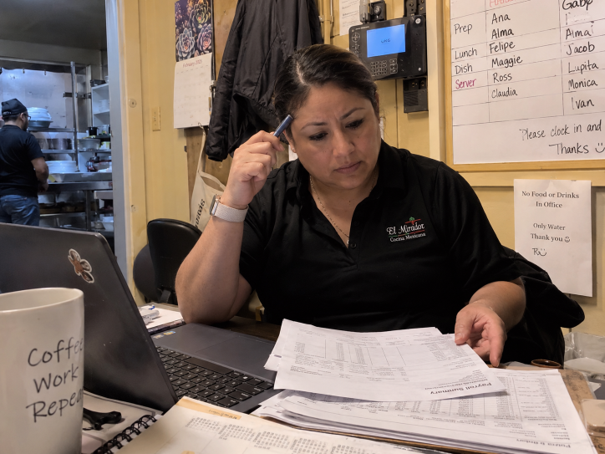
💡 Ready to grow your business?
Explore your funding options with Money Man 4 Business. We specialize in working capital and consolidation in different USA states and cities. Check our State wise Small Business Loan Insights