
All posts in Business finance

Logistics and Delivery Company Financing: Fleet Costs and Delayed Customer Payments

Logistics and delivery companies usually spend money before they collect it. Fuel, maintenance, payroll, tolls, insurance, and vehicle costs hit first. Customer payments may come thirty, forty-five, or even sixty days later. That mismatch is why many operators start reviewing working capital financing or fleet-related funding. The challenge is not only getting approved. The challenge is choosing a structure that supports routes, vehicles, and payroll without putting too much pressure on operating cash.



Why cash flow becomes tight in delivery businesses

The delivery business runs on movement. Every extra stop, route, and contract creates more revenue opportunity, but it also creates more upfront spending. Fuel prices can jump without warning. A vehicle can need an expensive repair. A new client may improve revenue while still paying on standard terms. That means a growing company can actually feel more strain than a stable one if growth arrives faster than collections.

For that reason, owners should not look at financing as a sign of weakness. In many cases it is simply part of managing timing. The question is whether commercial lending or another funding tool is sized and timed correctly. Used well, financing protects service quality and keeps drivers on the road. Used poorly, it creates payment stress that spreads across the whole operation.

The two main funding needs: fleet and cash cycle

Most logistics companies borrow for one of two reasons. The first is fleet investment. They need vans, trucks, trailers, refrigeration units, or route technology. The second is operating support. They need cash to bridge the time between doing the work and getting paid. These needs are related, but they are not the same. Buying vehicles and bridging receivables should not always be handled with the same product.

When the main goal is acquiring or upgrading vehicles, equipment financing may be a better fit because the repayment is tied to a defined asset purchase. When the main goal is handling delayed customer payments, a working capital structure may fit better. Separating the purpose helps the owner compare cost and term more clearly.

Why repayment frequency matters

A delivery company already deals with constant outgoing cash. Fuel, payroll, and repairs rarely wait. That is why repayment frequency matters so much. If an offer pulls money too often, the business may lose flexibility during a week with lower route volume or unexpected maintenance. Predictability matters just as much as approval speed because dispatch decisions depend on working cash being available.

This is one reason many owners compare business loans with monthly payments alongside other offers. Monthly repayment is often easier to plan around than very frequent withdrawals. It gives the owner a fuller view of billing cycles and customer collections. The right payment structure should support route planning, not interrupt it.

Common mistakes when financing growth

A common mistake is adding trucks before the company proves it can support them. More vehicles mean more earning capacity, but they also mean more insurance, more maintenance, and more staffing pressure. Another mistake is treating a delayed payment issue as if it were a permanent need for large debt. If a few customers pay slowly, the company may need better terms management as much as financing.

Some operators also mix fleet spending and working capital too loosely. That can hide the true cost of each decision. Using working capital financing for a short-term receivable gap is different from using long-term vehicle debt for expansion. The business should know which problem it is solving before accepting funds.

How to borrow more carefully

Start by dividing the business into three simple buckets: fixed costs, variable route costs, and receivables. Then ask where the strain is strongest. Is the company losing cash to fuel and maintenance? Is it expanding routes before payments arrive? Is a truck replacement unavoidable? Once the source is clear, the owner can compare the amount needed, the term required, and the level of payment the operation can comfortably support.

This is also where equipment financing can work well for clearly defined purchases, while a smaller working capital facility handles timing gaps. A more precise structure often costs less than using one larger product for every problem. It also gives the owner clearer control over what each facility is meant to do.



How Money Man 4 Business helps logistics businesses

Money Man 4 Business helps owners review financing with a practical cash-flow lens. That means comparing total cost, payment frequency, use of funds, and the effect on the business after funding. A logistics company can review whether it needs fleet funding, cash-cycle support, refinancing, or a mix of solutions. The goal is to keep the company moving without creating repayment stress that hurts service.

With more than 34 years of experience and CFO-level guidance, Money Man 4 Business helps owners compare commercial lending, equipment financing, and other options in a more structured way. That helps a company choose financing that fits both growth and daily operations. Approval is helpful, but sustainable repayment is what keeps the business healthy.

What strengthens a financing request

Finally, the business should consider how much of its receivables depend on a few large accounts. Heavy concentration does not always rule out financing, but it changes the risk picture. That is why commercial lending discussions are stronger when management can explain how customer mix, route margins, and backup capacity support repayment. Better preparation usually leads to better funding choices.

It also helps to map when major customers usually pay compared with when payroll, fuel, and repairs are due. Owners comparing business loans with monthly payments should see whether the payment date fits the business cycle or lands right before collections arrive. A loan can look affordable in total and still feel awkward if the timing fights the cash cycle.

Logistics companies should prepare a clear picture of route volume, customer concentration, fuel trends, and vehicle condition before applying. An accounts-receivable aging report is especially important because delayed collections are often the reason cash feels tight. If the business is requesting equipment financing for vans or trucks, maintenance history and expected route demand can help show why the purchase is necessary and how it should improve operations.

A final check should focus on driver and vehicle capacity. If the company is adding routes, management should confirm that enough qualified drivers, maintenance support, and dispatch capacity are available to use the new capital well. A loan cannot fix a route plan that is already too stretched. Owners considering working capital financing should connect the borrowing amount to specific operating needs and expected collections.

It also helps to review emergency repair exposure. One major breakdown can change a week quickly, so the business should keep some cash outside the loan payment itself. That reserve can protect payroll and service quality while the company continues making scheduled payments.

Before signing, the owner should also confirm whether customer contracts allow fuel surcharges or rate adjustments. Small pricing changes can protect margin when operating costs rise. Better pricing discipline can reduce the amount of working capital financing needed later and make the company less dependent on borrowed cash.

Frequently Asked Questions

What is the difference between fleet financing and working capital financing? Fleet financing usually funds vehicle or equipment purchases. Working capital financing helps bridge daily operating needs and delayed collections.

Why do delivery companies often prefer predictable payments? Because fuel, payroll, and repairs already create constant cash pressure, so predictable repayment is easier to manage.

Can a growing logistics company still have cash-flow stress? Yes. Growth can increase upfront costs faster than customer payments arrive.

Final Thought

The best logistics financing solves a specific problem. Match the funding to the need, protect working cash, and make sure growth does not outrun the company’s ability to collect and repay.


Veterinary Practice Financing: Equipment, Expansion, and Cash Flow

Can a growing practice afford new imaging equipment if the payment crowds out payroll and medical supplies? Veterinary practices often need expensive equipment to expand services, but the equipment is only one part of the project. Staffing, pharmaceuticals, software, maintenance, training, and facility changes all compete for the same cash. Medical office financing can help, but the payment should be tested against normal practice operations before the purchase is approved.


Understand Veterinary Practice Cash Flow

A veterinary practice pays staff, rent, insurance, pharmaceuticals, supplies, laboratory costs, software, and equipment expenses throughout the month. Revenue may be strong, but the timing can still vary with procedure volume, seasonal demand, and client payment methods. Owners should map this cycle before adding a large fixed payment.

The practice should also separate routine working capital from long-lived equipment. Using expensive short-term money for a machine that will serve the practice for years can create unnecessary pressure. The financing structure should match the life and expected value of the asset.

Separate Equipment ROI From Practice Expansion

A new imaging system or treatment unit should have a clear purpose. Will it increase capacity, add a new service, reduce outside referral costs, or improve workflow? Estimate the expected volume and contribution margin. Do not assume every client will use the new service immediately.

Equipment financing can make sense when the asset produces value over time. A larger expansion may require a different structure because construction, hiring, and working capital are involved too. Separating these uses makes the budget clearer and helps the owner see which part of the project is generating the return.

Budget the Complete Project

The purchase price is only the beginning. Include installation, electrical or plumbing work, software, training, calibration, service contracts, maintenance, consumables, and any facility changes. If a room must be renovated, include downtime or temporary relocation costs too.

Owners exploring an SBA business loan should also review current sba loan requirements with the lender because program rules and eligible uses can change by loan type. The key is to prepare complete records and a realistic use-of-funds plan. A well-built budget reduces the chance of needing another loan to finish the project.

Stress-Test Utilization

The new service may take time to reach expected volume. Model a slower adoption case. What happens if procedure volume is 25% below plan for six months? Can the practice still make the payment while covering payroll, medication, and normal supplies?

This test is especially important when the equipment payment is large. A practice should not depend on perfect utilization from the first month. A stronger plan leaves room for training, marketing, referrals, and the natural time it takes clients and staff to adopt a new service.

How Money Man 4 Business Can Help Evaluate Practice Financing

Money Man 4 Business looks at the whole financing picture, not only the approval amount. Owners can compare monthly payments, true APR where available, term length, and the effect on working cash. Money Man 4 Business can also review whether a term loan, SBA option, consolidation, or another structure fits the need. The process includes CFO-level guidance backed by more than 34 years of experience. Depending on the program and underwriting, terms can be structured across a wide range, including longer repayment periods. The goal is simple: choose financing that the business can carry after the money arrives.

Money Man 4 Business can help veterinary owners compare equipment financing, SBA-style options, and general business loans against the practice’s real cash flow. The review can include monthly payment, true cost, expected equipment return, and existing debt. If short-term obligations are already reducing cash, restructuring them before expansion may create a safer base for growth.

Practice owners should review equipment performance after launch. Track procedure volume, revenue, consumables, maintenance, and staff time. That data shows whether the original assumptions were realistic and gives the practice better information for the next expansion. Good financing decisions improve when the business measures what happened after the purchase, not only before it.

Before signing, put the proposed payment into a simple monthly forecast and compare it with the business’s weaker months. That single step often shows whether the structure is comfortable or whether the amount, term, or timing should change before the agreement is final.

Practical Planning Before You Apply

Veterinary owners should compare the new service with outside referral costs. If the practice currently sends imaging or procedures elsewhere, bringing the service in-house may keep more revenue and improve convenience. The model should include expected case volume, staff time, consumables, maintenance, and any specialist support required to deliver the service safely.

Technology obsolescence also matters. Some medical equipment stays useful for many years, while other systems require software upgrades or replacement sooner. Equipment financing should be matched to a realistic useful life. A very long term can lower the payment but may leave the practice paying for equipment that no longer supports current clinical needs.

Owners reviewing an SBA business loan should build a complete debt schedule before applying. Existing equipment notes, property debt, credit lines, and other obligations all affect monthly capacity. Current SBA loan requirements should be confirmed with the lender, but the practice can prepare early by keeping financial records and use-of-funds details organized.

Staff training should be treated as part of the investment. A machine only creates value when the team can use it efficiently and confidently. Include training time, reduced appointment capacity during the learning period, and any continuing education needed. The financing plan should allow the practice to absorb that ramp without cutting normal supplies or payroll.

Medical office financing should also leave a maintenance reserve. Service contracts reduce some uncertainty, but equipment can still create unexpected costs. A practice that spends every available dollar on the purchase may end up using high-cost debt for the first repair. A small reserve protects both the equipment investment and the rest of the practice.

Veterinary owners should also review how the new service affects staffing. Advanced imaging or treatment equipment may require more technician time, training, or specialist support. Those costs belong in the plan from the start. Medical office financing should cover a complete project, not just the machine price. The practice should also estimate how quickly clients will use the new service. Conservative volume assumptions are safer than full utilization on day one. If an SBA business loan is being considered, owners should prepare current financial statements, a debt schedule, and a clear use-of-funds plan. Strong preparation helps the lender understand the project and helps the practice avoid borrowing more than it can comfortably repay.

The same review should include maintenance and replacement planning. Medical equipment can require service contracts, software updates, and repairs. Setting aside cash for those costs helps the practice avoid another urgent financing need later. A good loan should support the service without creating a new cash-flow problem. This makes the financing easier to manage after the equipment is installed.


Frequently Asked Questions

Can veterinary equipment be financed?

Yes. Many lenders offer equipment or business financing for qualifying veterinary practices, subject to credit and underwriting.

What should be included in an equipment budget?

Include purchase price, installation, training, software, maintenance, service contracts, facility work, and the working cash needed during ramp-up.

How do SBA requirements affect a practice loan?

Requirements vary by program and lender. Practices should confirm current eligibility, documentation, use-of-funds, and collateral or guarantee rules before applying.

Final Thought

Veterinary growth should improve care without squeezing the operating account. Budget the full project, test utilization conservatively, and choose a payment the practice can carry before the new service reaches full volume.

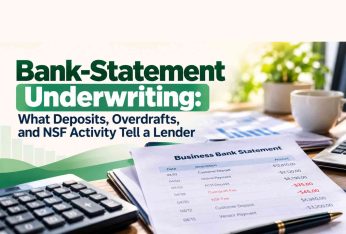
Bank-Statement Underwriting: What Lenders See in Your Account

What story do your last few months of bank activity tell when you are not in the room to explain it? That is the challenge of bank-statement underwriting. A lender reviewing business bank statements is not only checking revenue. It is looking for stability, timing, pressure, and patterns. Deposits, average balances, overdrafts, and unusual transfers can all shape the credit view. Owners who understand that process are in a better position to apply for business loan products with cleaner records and better explanations.


What Lenders Learn From the Statements

Statements show how money actually moves through the business. They can reveal deposit consistency, cash swings, recurring obligations, and how tightly the account runs from week to week. This helps a lender test whether the business has stable operating activity or whether cash flow is too erratic for the proposed debt. Statements often confirm or challenge what is shown in financial reports.

That is why owners trying to get a business loan should review their own statements first. Look for low-balance periods, repeated transfers to cover bills, or a pattern where large deposits arrive but disappear almost immediately. These signs do not always kill a deal, but they do raise questions. It is better to identify those questions early and prepare a clear explanation than to act surprised when underwriting flags them.

Why Overdrafts and NSF Events Matter

Overdrafts and NSF events matter because they signal pressure. One event does not automatically mean a denial. Businesses have messy months. But repeated events suggest the account may be operating too close to the edge. If a lender sees several of them, it may conclude that the new payment could increase risk rather than improve the business. The concern is not the fee itself. The concern is what caused it.

This issue can be especially important when owners seek a bank statement loan or another product where recent account activity carries major weight. If an overdraft happened because a customer paid late, say so and show the correction. If the pattern is ongoing, the business may need a broader fix. Sometimes the better answer is not more fast money. It is a cleaner capital structure with predictable monthly payments.

Large Transfers Need Context

Large deposits and withdrawals often need context. Owner injections, intercompany transfers, tax payments, or one-time equipment purchases can distort the picture if no explanation is attached. Underwriting tends to distrust unexplained volatility. A short note can help, especially when the transfer was not ordinary revenue or an ordinary operating bill. Clear context helps the lender read the statements fairly.

This is one reason preparation matters before you apply for business loan financing. Gather explanations for unusual activity, know which deposits are recurring, and be ready to describe any one-off events. Do not assume the numbers speak for themselves. Numbers tell part of the story. The owner still needs to explain what changed, why it changed, and whether the pattern is likely to continue.

Prepare the File Before You Submit It

A better file usually begins with a short review period. Clean up avoidable overdrafts, reconcile major transfers, and make sure the statements line up with the application. If an expensive short-term product is draining the account, address that issue directly instead of hoping underwriting ignores it. The strongest applications are not perfect. They are coherent. They show that the business understands its own numbers and can discuss them clearly.

Money Man 4 Business often helps owners review statements in this practical way. The goal is to match financing with real cash flow, compare true APR and payment structure, and avoid taking on debt that worsens daily pressure. In many cases, that review also points to consolidation or restructuring opportunities. Clean statements do not guarantee approval, but they do support a stronger and more credible request.

One practical habit can improve almost every financing decision: write the numbers down in one place and review them before urgency takes over. Owners who do this usually spot the pressure points earlier, ask better questions, and avoid borrowing only because the clock feels loud. Clear information rarely removes every risk, but it often removes the avoidable risk created by confusion.

Frequently Asked Questions

How many months of statements do lenders usually request?

It varies, but several recent months are common. The goal is to see current activity, consistency, and whether the business can handle the requested debt.

Does one overdraft cause a denial?

Not always. One event may be explainable. The larger concern is a pattern of pressure that suggests the account regularly runs short.

Should I explain large deposits before applying?

Yes. If a deposit or transfer is unusual, explain it early. Clear context helps underwriting read the file more accurately.

Final Thought

If you are weighing a loan decision, Money Man 4 Business helps you slow the decision down and compare the real cost. The focus is not only approval. The focus is cash flow, monthly payments, true APR, and the term that best fits the business. In many cases, owners use that review to replace high-cost debt with one structured payment, which may reduce total fees and interest sharply. Clients also work with an experienced CFO, not just a sales desk, so the conversation stays practical and based on the numbers.

Additional Practical Notes

Before you apply for business loan financing, review your statements the way a lender will. Look for repeated low balances, transfers that are hard to explain, and deposits that do not match the story in the application. If something unusual happened, prepare a short note and supporting detail. That simple step helps the file read more clearly and reduces surprises during underwriting.

It is also useful to separate recurring activity from one-time activity. For example, a tax refund, owner injection, insurance proceeds, or asset sale may appear in the account but should not be treated like normal operating revenue. Lenders reviewing business bank statements try to make that distinction. Owners who explain it early make the underwriter’s job easier and improve the chance that the account activity will be read in the right context.

If the business wants to get a business loan soon, even a short cleanup period can help. Avoid needless overdrafts, deposit funds consistently, and make sure major bills are not bouncing between accounts. These steps do not create perfect statements, but they show control. Underwriting responds better to a file that looks managed than to one that looks reactive, especially when recent account behavior carries a lot of weight.

A final point is product fit. A bank statement loan or another cash-flow-based option may work for some businesses, but owners should still compare the real payment and total cost with longer-term alternatives. Fast access is only one factor. The stronger question is whether the structure improves daily liquidity or adds one more obligation to an account that already feels crowded.

In short, clean preparation helps lenders read business bank statements in context. Owners who review the account early are usually in a stronger position to get a business loan that truly fits the business instead of reacting to the first available offer.

Many owners also benefit from a short written summary that walks through the main account patterns. It can explain seasonality, one-time transfers, and recent improvements. That note helps lenders read business bank statements more accurately and puts the owner in a better position to apply for business loan products with confidence.

Clear preparation does not guarantee approval, but it makes it easier to get a business loan on terms the owner can understand and compare.


DSCR Explained for Business Owners: What Lenders Really Check

Although your business is technically profitable, can it afford to make another payment? This is DSCR. Don’t let the fancy name scare you. Lenders want the cash to be flowing in order to support the debt payments. They want to know how much available cash there is after the debt payments. A company may look profitable on paper, but if the loan payments are higher than daily cash inflows, the business is insolvent. That is why debt service coverage ratio often becomes one of the most important numbers in underwriting.


What DSCR Really Means

On the most basic level, the DSCR calculates the cash available for debt service against the debt service. What it essentially asks is how much is left after normal operating expenses to meet debt obligations. If a business has little cash after normal operating expenses available to meet debt obligations, lenders feel there is more risk. If a business has a good cushion, lenders feel there is good capacity to repay. The number helps to provide a way to set the context for the discussion in a few minutes, but it is very limited.

This is why business loan eligibility is not only about credit score or time in business. A company that sells a lot of its products can still fail the test if it has committed cash flow. In contrast, a company can have lower sales and still pass the test. This is because cash obligations for the company with lower sales are anticipated to be lower and therefore quickly covered even if sales are not as high. DSCR is useful because it shows what matters for every single loan. That is, consistently high cash flow.

Why Lenders Care About Repayment Capacity

Lenders evaluate DSCR since no new debt is standalone. They examine the rent, particular loans, equipment notes, lines of credit, and other required payments. They want to see if the new obligation is appropriate and in what scenario it fits into the current structure. A loan can be the best solution to a problem and create a larger problem if the loan’s fixed cost is greater than the company is able to support.

Owners often hear about business loan revenue requirements and assume lenders only want higher gross sales. Sales matter, but the quality of those sales matters more. Are margins stable? Are collections timely? Is cash tied up in inventory? Does the owner draw too much from the business? These questions affect business cash flow, and that cash flow is what makes or breaks the ratio. Revenue alone does not pay debt. Usable cash does.

Build a Simple Owner-Level Example

Let’s look at an example of this idea at the owner level. Let’s say one business produces so much cash from operations each month that it has $18,000 available for each month’s debt service. This business has monthly debt of $10,000. If the business takes out an additional $4,000 loan, it will still have a cushion. However, if the business takes out an additional loan of $9,000, the cushion will not be there. Different lenders may have different ways of analyzing the numbers, but the concept will be the same. If a cushion is larger, you will be more comfortable.

This is why owners should do the math, not the lenders. Owners should look at a potential payment along with their current debt versus the cash that is left over from the normal business operations. If the result is a stretch, a longer or shorter term, a lesser amount, or a consolidation of other loans may be better for the business. The best result is approval for a loan. However, the goal is to accept a loan that the business will be able to pay each month without issues.

What Can Weaken or Improve the Ratio

DSCR can decline for a number of reasons. Margins and sales can shrink. Tax due dates can be missed. Existing debt may be frequent and/or expensive. Seasonal fluctuations can distort the picture if the payment remains high during periods of low activity. A high level of debt, even if the business had a profitable year, can threaten the existence of the business.

There are faster ways for DSCR to increase. Draws can be reduced. Expensive debt can be cleaned up. Collection time can be improved. Money Man 4 Business helps owners see the big picture and analyze whether financing options will result in cash outflow instead of cash inflow. A financing structure with constant, predictable monthly payments helps improve the overall DSCR.

The most effective habit to improve almost every financing decision is to make sure to write down all the numbers you need to review in a panic, and look at them before you make your decision. Momentum makes people feel compelled to make decisions without thinking and usually results in people borrowing money they can’t afford. Writing down all the information usually helps avoid people making poor decisions in a panic.

Frequently Asked Questions

What is a good DSCR?

There is no single rule for every lender or every loan type. In general, more cushion is better. The main point is that the business should have enough cash left after operating expenses to handle debt without strain.

Do all lenders calculate DSCR the same way?

No. Some adjust expenses differently or use different periods. That is why owners should treat DSCR as a planning tool first and a lender test second.

Can a profitable business still have a weak DSCR?

Yes. Profit and cash flow are not the same. A business may show profit while dealing with slow collections, high debt payments, or thin reserves. That can weaken coverage quickly.

Final Thought

Money Man 4 Business helps clients weigh the real costs of a loan, which can make the approval process slower. Instead of focusing on the approval of the loan, clients compare cash flow, monthly payments, true APR, and the loan term that fits their business. It helps many clients replace high-cost debt with a single-payment loan that may reduce fees and interest. Money Man 4 Business is not like other loan businesses because its clients speak to a CFO instead of a sales desk. They create a working relationship based on numbers and money.

Additional Practical Notes

Before discussing debt service coverage ratio with a lender, gather the records that shape the number. This usually involves providing some recent P&Ls, bank statements, a debt schedule, and a clear picture of owner’s draws. Show the seasonality if the business has that. The better the records, the more straightforward the ratio will be and the less likely the underwriters will misunderstand it.

Owners can often improve business loan eligibility before they borrow. They may focus on a small high-cost balance, pay off a nonessential expense, collect as rapidly as possible, or reduce their withdrawal from the company. While these actions would not fix the business overnight, they will add a cushion to the debt service. Adding a cushion to the debt service will provide room to negotiate, as well as add confidence to the payment plan.

Another useful step is to look at repayment under more than one scenario. A ratio that looks safe in a strong month may weaken in a normal month. That is why lenders care about business cash flow instead of accounting profit alone. Owners should ask whether the payment still works if sales dip, gross margin narrows, or receivables slow for a short period. That test often reveals whether the deal is truly comfortable.

A final mistake to avoid is chasing the biggest approval instead of the healthiest one. Higher proceeds may feel good at first, but they can also create a payment that strains the company later. When owners understand business loan revenue requirements in a practical way, they stop seeing them as a hurdle and start seeing them as a guide. The business should borrow at a level it can carry well, not only at a level a lender may approve.

The practical takeaway is simple: a strong debt service coverage ratio is not about impressing a lender. It is about proving that the business can borrow and still stay steady. When owners manage the numbers well, business loan eligibility usually improves as a by-product.


Houston Hurricane-Season Contingency Financing: Build the Capital Plan Before the Storm

Houston businesses know that hurricane season is not just a weather issue. It is a cash-flow issue as well. A storm can interrupt revenue, delay customer payments, damage inventory, increase supply costs, and create emergency spending for cleanup or temporary operations. That is why some owners review working capital loans houston before the season gets serious. Financing should not replace preparation, but it can become an important part of a broader contingency plan.


Why storm planning needs a cash component

Most contingency planning focuses on safety, backup files, insurance contacts, and physical preparation. Those steps matter, but businesses also need to think about money. Can payroll be covered if operations stop for a week or two? Is there enough cash for generators, cleanup, spoilage, temporary inventory, or a quick shift to another location? A written storm plan is stronger when it includes an operating cash plan.

This is where business working capital loans may come into the discussion. The goal is not to borrow because a storm might happen someday. The goal is to understand what funding options are available if the business needs a reserve, an emergency cushion, or recovery support. Planning before the emergency usually creates better choices than borrowing after stress has already hit.

What hurricane-related cash needs usually look like

Storm-related cash needs usually fall into a few categories. There are preparation costs, such as emergency supplies, backup power, inventory protection, and communication systems. There are interruption costs, such as payroll during closure or delayed collections. And there are recovery costs, such as repairs, replacement inventory, cleanup, temporary relocation, or catch-up marketing once the business reopens.

A business comparing a working capital loan with monthly payments should think about which of those categories is most likely. A restaurant may focus on spoilage and reopening cash. A service company may focus on payroll and fuel. A retailer may focus on damaged inventory and delayed traffic. The same storm can create different financing needs for different businesses.

Why the timing of financing matters

If a company waits until after major disruption, it may be making decisions under stress. Records may be harder to gather. Management may be distracted. Cash may already be tight. Pre-season planning creates more control. Even if the business does not draw funds immediately, knowing what is available can reduce uncertainty and support faster decision-making if conditions worsen.

Some owners also prefer business loans with monthly payments houston tx because predictable monthly obligations are easier to fit into recovery planning. During a post-storm period, cash needs are already uneven. A repayment structure that is simple to budget can be easier to manage than one that creates constant small deductions.

What owners should avoid

One mistake is borrowing too much in the name of emergency planning. Financing should be based on a reasonable disruption scenario, not the most extreme possibility imaginable. Another mistake is assuming insurance alone will solve the timing issue. Insurance may help, but claims can take time, deductibles apply, and not every cost is covered immediately.

A third mistake is thinking contingency financing must stand alone. In reality, the best plan often combines savings, insurance, vendor flexibility, and access to working capital loans houston if needed. Financing is one layer of resilience, not the whole plan.

How to build a storm-season capital plan

Start by estimating the cost of a short disruption. How much cash would the company need for one week, two weeks, or one month of reduced operations? Include payroll, rent, utilities, emergency supplies, and the most likely recovery expenses. Then compare that number to current reserves and insurance timing. The remaining gap is the amount that may need outside support.

This exercise makes business working capital loans easier to review because the owner knows what the money is for. It also helps prevent overborrowing. If the likely gap is smaller than expected, the business may only need a modest reserve or access to financing rather than a large funded amount.


How Money Man 4 Business helps Houston businesses prepare

Money Man 4 Business helps business owners compare contingency financing in a practical way. A Houston company can review the likely cash gap, the payment structure, and whether a term facility or other working-capital option makes sense for preparedness or recovery. The discussion stays focused on continuity: how to keep the business operating or restart it quickly after disruption.

With more than 34 years of experience and CFO-level guidance, Money Man 4 Business helps businesses compare working capital loan with monthly payments and other options with more discipline. That helps the owner prepare before the storm instead of reacting blindly after it.

Build the emergency file before weather changes

The best contingency plan combines cash reserves, insurance, vendor flexibility, and access to working capital loans houston if needed. Financing is most useful when it fills a clearly defined gap after those other layers are considered. That keeps the business prepared without pushing it into unnecessary debt before storm season even begins.

Businesses should also estimate the cost of critical supplies such as water, fuel, flashlights, tarps, batteries, protective materials, or temporary equipment. If the business expects spoilage or damaged inventory, that should be estimated too. Owners comparing business loans with monthly payments houston tx can then match financing to a realistic disruption scenario instead of making decisions under pressure when stores are empty and time is short.

A strong storm-season plan usually starts with one organized file. That file should include insurance contacts, key vendor numbers, payroll obligations, lease details, backup-data steps, and a list of the first expenses the business would face during a shutdown or reopening. This preparation makes a working capital loan with monthly payments easier to evaluate because the owner can see what the money would actually need to cover.

The business should also identify which expenses must be paid even if the location cannot open. Payroll for key staff, rent, insurance, security, data systems, and vendor commitments may continue during a closure. Owners reviewing working capital loans houston should build those fixed costs into the disruption estimate so the financing need is based on real obligations rather than a rough guess.

After hurricane season, the plan should be reviewed again. Any borrowed amount should be compared with actual recovery costs, insurance proceeds, and the speed of reopening. That review helps the owner decide whether to repay faster, keep a reserve, or adjust future contingency planning. A working capital loan with monthly payments should support recovery without becoming a long-term burden after the emergency has passed.

Owners should also decide in advance who can approve emergency spending and who will contact employees, customers, vendors, and insurers. Clear roles reduce delays during a stressful event. If financing is needed, the business can act faster because the decision process is already defined instead of being created during the emergency.

That preparation reduces confusion later.

Frequently Asked Questions

Should a business arrange financing before hurricane season? In many cases, yes. Early planning usually gives the owner more flexibility and less stress.

Can insurance replace the need for contingency financing? Not always. Insurance may help, but claims timing and uncovered costs can still create a cash gap.

What is the first step in a storm financing plan? Estimate the likely cash needed during interruption and recovery, then compare it with reserves and insurance timing.

Final Thought

A hurricane-season financing plan is really a business continuity plan for cash. Know the likely gap, review options early, and build the capital plan before the storm appears on the map.

Law Firm Financing: Case Costs, Payroll, and Slow Receivable Cycles

A law firm can look profitable on paper and still feel short on cash. Filing fees, expert witnesses, discovery costs, software, rent, and payroll often come due long before a matter pays. Some firms also wait months for settlement proceeds or insurance payments. That gap is why many owners start looking at business working capital loans or other funding tools. The real goal is not just getting cash. The goal is covering case costs without creating a payment burden that makes the next slow month harder.


Why cash pressure hits law firms so often

The cash cycle in a law office is uneven. Retainers may help, but not every matter is billed the same way. Some work is contingency based. Some clients pay late. Some invoices are disputed. Meanwhile, the firm still has to pay staff, keep subscriptions active, and fund the direct costs that move a case forward. A good month in signed matters does not always mean a good month in collected cash.

That is why financing should match the operating pattern of the practice. A short cash dip may call for a smaller revolving option. A longer growth plan may fit a business term loan with a predictable schedule. The point is simple: borrow for the right reason and with the right structure. Law firms get into trouble when they solve a timing problem with the wrong repayment plan.

Where the money usually goes

Legal practices often need money in three places at once. First, they need steady payroll for attorneys, paralegals, and support staff. Second, they need case-related spending such as court filings, medical records, travel, expert testimony, and document review. Third, they need operating support for software, office overhead, marketing, and receivables that move too slowly. These pressures can overlap in the same month.

For that reason, many owners compare business loans with monthly payments instead of daily or weekly repayment products. Monthly payments are usually easier to match with the way most firms collect revenue. They allow the owner to review cash flow over a full month instead of losing money every few days. That matters when one slow receivable can affect several related expenses.

Which financing structures tend to fit better

A line of credit can be useful when the need moves up and down. It can cover payroll in one month and case expenses in another. It also helps if collections are slow but expected. A term loan may fit better when the firm is investing in a known project, such as opening a new location, hiring a team, or refinancing older debt into one cleaner payment. The owner should compare total cost, not just approval speed.

Some firms also review alternative business financing when traditional bank timing is too slow. That can be useful in the right situation, but speed should not hide repayment pressure. Before accepting any offer, the firm should ask how often payments are taken, what the total payoff will be, and whether the payment size still works during a slow collections month. Fast money only helps if it leaves room to operate.

Common mistakes when borrowing

One common mistake is borrowing without separating temporary needs from long-term needs. If the firm needs short support because two large matters are about to pay, a long and expensive structure may be unnecessary. Another mistake is ignoring the effect of partner draws. Owners sometimes judge affordability before accounting for taxes, distributions, and case expenses that are already committed.

Another mistake is using a fast product several times in a row. Repeated stacking can squeeze the firm’s cash and reduce flexibility. This is why business working capital loans should be reviewed inside a full cash-flow plan. A lender or advisor should see how receivables move, when expenses hit, and whether a lower monthly obligation would protect the practice better than a quick approval.

How to size the facility without overborrowing

Start with a simple twelve-month view. List normal payroll, rent, and technology costs. Then add case expenses that come in waves. Next, mark expected receivables, settlements, or seasonal dips in collections. This shows whether the firm needs a cushion for timing, a growth budget, or a refinance. It also shows whether the problem is truly a funding issue or a billing-and-collection issue that should be fixed first.

When firms compare business loans with monthly payments they should also test the weakest month, not the strongest one. If the payment still feels manageable in a slow month, the structure is usually healthier. If it only works when collections are perfect, the firm is borrowing too aggressively. A slightly smaller approval that protects cash is often the better decision.


How Money Man 4 Business helps law firms review financing

Money Man 4 Business helps owners compare funding options with the cash pattern of the business in mind. That means looking beyond the headline amount. A firm can review payment size, repayment frequency, true cost, and how the offer fits payroll, receivables, and future growth. The focus stays practical. Can the firm make the payment and still run the practice well?

Money Man 4 Business can also help firms compare a business term loan, a line of credit, or alternative business financing depending on the need and underwriting profile. The guidance is backed by more than 34 years of experience and a CFO-level view of business cash flow. The goal is not just to get approved. The goal is to choose financing that supports the practice after funding arrives.

Questions to ask before signing

Before signing, ask four direct questions. What exactly is the money for? How long will the need last? What is the total repayment amount? And what happens if receivables arrive later than expected? Those questions bring the decision back to operations. A financing offer is only useful when it works with the way the firm actually gets paid.

What to prepare before applying

Finally, partners should agree on how financing will be monitored after closing. Someone should track reporting dates, payment dates, and whether the borrowed money actually improved cash pressure. That review matters with traditional lending and with alternative business financing alike. The strongest borrowing decision is one the firm can explain clearly before funding and manage calmly after funding arrives.

It also helps to review billing and collections habits before borrowing. How quickly are invoices sent? How often are retainer balances replenished? Are large case expenses tracked in one place? Firms comparing business loans with monthly payments should know which receivables are reliable, which are delayed, and which clients regularly stretch payment terms. Better information usually leads to a more appropriate loan size and a healthier payment plan.

Before applying, the firm should gather a clear aging report, the last several months of bank statements, recent tax returns, and a simple list of recurring expenses. It should also review case-cost commitments already in motion. Clean records help the firm judge whether business working capital loans are being considered for a short timing gap or for a larger operating need. That distinction improves decision-making and makes lender conversations much more efficient.

Frequently Asked Questions

What is the best financing type for a law firm? It depends on the reason for borrowing. A line of credit may fit timing gaps, while a term loan may fit growth or refinancing.

Can a law firm use monthly payment financing? Yes. Many firms prefer monthly schedules because collections often move month to month rather than day to day.

Should a firm borrow for case costs and payroll in the same facility? Sometimes, yes, but the firm should first map the purpose and timing of each need to avoid borrowing more than necessary.

Final Thought

Law firm financing works best when it follows the firm’s real cash cycle. Understand the gap, size the need carefully, and choose a structure that protects both payroll and flexibility.

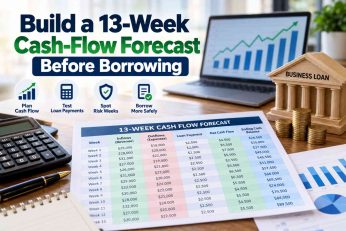
13-Week Cash-Flow Forecast: A Smarter Way to Borrow

What do you imagine your bank balance will look like 13 Fridays from now after a new loan payment is made? Many owners can’t answer this question, and that is what causes stress from borrowing. A yearly budget can provide a lot of information, but cash flow shortages can occur throughout the month that will not show in that budget. A 13 week cash flow forecast is different. It illustrates the movement of money from week to week. In the short term, you can see whether a payment fits a business or how the timing will create pressure on a business before that business feels that pressure when it reports monthly.


Why 13 Weeks Works So Well

Thirteen weeks is a long enough time frame to identify a repetitive trend, but is short enough to be convenient to work with. It encompasses payroll cycles, when rent and debts are due, relevant tax dates, and typical collections from customers. It also encourages owners to consider timing as opposed to averages. A month can definitely look healthy on the surface, but there could be a week in it that is extremely unhealthy. Lending decisions should be made with that week in mind because a loan could be given to help bridge that timing gap, or could be given to help cover that unhealthy cash flow.

A business loan payment calculator can estimate the payment, but the forecast shows whether the payment fits real operations. That difference matters. A calculator answers, “What is the payment?” The forecast answers, “What happens to our cash when that payment lands?” Both tools are useful. Used together, they help owners move from guesswork to cash flow planning based on the business they actually run.

List Realistic Weekly Inflows

Start your forecasts with realistic inflows. Customer collections, recurring sales, deposits, online payouts, and any known timing delays should all be included. Be cautious. Don’t let optimism creep in and assume that you’ll receive early payments on invoices or that a particular sales week will be particularly strong. A forecast should reflect the average or usual case. Show 45-day DSL customer payments. If your average sales week is back-ended with strong sales on Friday and Saturday, be sure to capture that in your forecast as well.

This is where many owners discover that receipts and deposits arrive in clusters. That timing may explain why the business feels squeezed even in profitable months. A small business loan calculator cannot see that pattern, but a weekly forecast can. By listing inflows on the weeks they are most likely to arrive, you begin to see which weeks can carry a payment easily and which weeks may need more protection.

List Every Major Weekly Outflow

Next, list all major outflows. These include payroll, vendors, taxes, rent, utilities, debt service, subscriptions, insurance, and owner draws. If you tend to forget small but frequent withdrawals, take them from your bank statements and add them. This is not a perfect system, but a way to help you see where your cash is going. A lot of cash flow problems come from several smaller obligations that all occur in the same time frame.

This also helps determine if working capital problems have already occurred. If cash is being pulled out for a high-cost advance or other short-term product on a frequent basis, this problem will be evident in the forecast. If an owner sees this, they can look into a term loan or debt consolidation, where a monthly payment would help the business out, as cash flow would be improved with smoothing operations.

Add the Proposed Loan and Stress-Test It

Once the base forecast is complete, let’s add the proposed financing. Let’s put in the funding date, the date payments start, and the amount of each payment. Then let’s generate three views: expected performance, a softer sales case, and a delayed-collections case. When looking at cash flow, focus on the week with the lowest cash available, not the ending cash balance. If the new loan protects the low weeks, it may be useful. If it makes the weeks even lower, the structure may need to be changed.

Money Man 4 Business can help a lot with this kind of review, and a lot of owners do this kind of review before they sign. A lot of the time, the focus is on the term of the loan, the monthly payment, and the true cost of the loan. This is more important than taking short-term, expedient loans and then wondering about the effects of the loan. A loan is meant to stabilize the cash flow of the business, and if the base forecast shows repeated weekly deficiencies after the loan is received, the term of the loan, the amount of the loan, or both need to be adjusted.

A simple, new habit can improve almost every financing decision. This habit is to take the time to write the terms of the financing proposal in front of you down on a piece of paper and review that information before the proposal becomes time-sensitive. Owners who do this tend to identify time-constrained situations to seek financing, ask the lender better questions, and avoid seeking financing at times that really aren’t in the best interest of the business.

Frequently Asked Questions

Why use a 13-week forecast?

It gives a short, practical view of how cash moves. Owners can see low-balance weeks, payment timing, and whether a new obligation fits the business before they commit.

Should I include the loan proceeds as an inflow?

Yes, if the business will actually receive the proceeds in that week. Just remember that the payment and the use of the funds must also appear in the forecast.

How often should the forecast be updated?

Weekly is best. A rolling update keeps the tool useful and turns it into a management habit instead of a one-time worksheet.

Final Thought

Money Man 4 Business helps you make better loan decisions by allowing you to consider the real costs of each option when you are considering your options. There are any number of reasons why a particular loan option might not work for you, from the cash flow impact to the APR to the payment terms, and Money Man 4 Business considers all of them. Many of their clients use their review process to replace a more expensive loan and, as a result, are able to reduce their total costs and fees. Since their clients work with a CFO, not a sales desk, the review process is focused on the numbers and, as a result, is extremely useful.

Additional Practical Notes

One good habit is to assign ownership of the forecast. Someone should update the 13 week cash flow forecast every week, note what changed, and compare expected versus actual inflows. Without that habit, the file becomes a one-time worksheet and loses value quickly. With that habit, it becomes a decision tool the owner can use for borrowing, hiring, purchasing, and timing major payments more safely.

It also helps to separate fixed outflows from variable ones. Fixed outflows include rent, regular debt payments, and core payroll. Variable outflows include irregular repairs, extra inventory, and one-off purchases. When the two are shown clearly, cash flow planning becomes easier. Owners can see which weeks are tight because of normal structure and which weeks are tight because of optional choices that can still be delayed or reduced.

Another practical step is to use the forecast after funding, not only before funding. If a lender quoted terms through a business loan payment calculator, add the real payment to the weekly view and watch how it behaves over time. Does the payment still feel manageable after the first few weeks? Does it collide with payroll or major vendor dates? That follow-up view helps the business manage the debt well after the closing is done.

A common error is treating averages as if they were timing. Average monthly sales can look healthy while one key week goes negative. That is why the owner should also compare the forecast with a small business loan calculator estimate and ask one simple question: do we have enough cash on the exact weeks this payment will hit? Safe borrowing depends on that weekly answer far more than most owners expect.

The best forecasts are simple enough to update and detailed enough to guide action. When a 13 week cash flow forecast is reviewed every week, cash flow planning becomes part of management rather than a task done only when money is needed.

Owners who keep a running note beside the forecast often get more value from it. They can explain why one week changed, when a customer paid late, and what decision followed. That simple note-taking turns the 13 week cash flow forecast into a living management tool and makes future cash flow planning much easier.

Leasehold Improvement Financing for Business Build-Outs

Why finance a five-year build-out with money that demands repayment before the new location is fully open? Leasehold improvements can create a useful space. They can also absorb cash quickly. Commercial financing may help pay for construction, fixtures, technology, and other eligible project costs. The financing still needs to match the lease and the expected benefit period. Before borrowing, build the full renovation budget. Then test the monthly payment against the cash flow the location is likely to produce after opening. Commercial loan rates matter, but the project timeline matters too. Commercial business loans should be compared using the same build-out budget.


Build the Complete Renovation Budget

Start with the contractor estimate, but do not stop there. A build-out can include design fees, permits, inspections, fixtures, signage, technology, furniture, and utility work. The business may also lose sales during construction. Add moving and reopening costs when they apply. Keep a contingency for unexpected conditions behind walls or under floors. Then separate required work from optional upgrades. That helps if the project becomes more expensive. A clear budget also improves the financing discussion. The lender can see what the money will fund. The owner can see how much cash must be kept outside the project.

Review the lease before finalizing the construction plan. Some leases restrict signage, structural changes, or mechanical work. Others require landlord approval for contractors. A financing plan built before the lease is understood can fund improvements that are not allowed. The lease and the project budget should be reviewed together.

Ask the landlord to confirm approval requirements in writing. This reduces the risk of paying for plans that later need major changes.

Understand Landlord Contributions

Some leases include a tenant-improvement allowance. The landlord may pay or reimburse part of the build-out. Read the lease carefully. The allowance may only cover certain costs. It may also be paid after work is complete. That means the tenant could still need cash during construction. Ask when reimbursements occur and what documents are required. Also check whether unused allowance funds disappear. A landlord contribution can reduce the amount of commercial financing needed. It does not replace a cash-flow plan. The business still needs money for costs outside the allowance and for normal operations before the new space starts producing revenue.

Timing matters because rent may start before the business opens. Free-rent periods can help, but they eventually end. Add rent during construction to the cash-flow model if it applies. Also consider delays in permits or inspections. The business should not depend on an exact opening date to make the financing work.

Build permit delays into the schedule. One extra month of rent and payroll can matter more than a small construction change order.

Match the Financing Term to the Benefit Period

The improvements only create value while the business can use the space. Compare the loan term with the remaining lease term and renewal options. Also consider the useful life of the improvements. A long loan may lower the monthly payment, but it can outlast the lease. A short loan may create a payment that is too high during ramp-up. Use a commercial loan calculator to test several terms and rates. Then add the payment to the location’s projected cash flow. The right term should balance affordability with the period the improvements are expected to benefit the business. Use a commercial loan calculator with more than one rate and term. This makes commercial loan rates easier to compare.

Use the calculator for more than one case. Test a base budget, a 10% overrun, and a delayed opening. Then compare the monthly payment with projected sales. This shows whether the company has enough cushion. A project that only works at the original budget may be too fragile for normal construction risk.

A calculator is most useful when the inputs are realistic. Use a range of rates and project costs, not one perfect estimate.

Plan for Overruns Before Construction Starts

Most projects change. A permit can take longer. Materials can cost more. Electrical work may expand. Set a contingency before construction begins. Also decide which upgrades can be delayed if costs rise. Keep a list of must-have items and nice-to-have items. This prevents last-minute borrowing at expensive terms. Update the budget whenever a change order is approved. Do not wait until the project is nearly finished. A small overrun can be manageable. Several untracked overruns can create a working-capital problem before the doors open.

Keep change orders controlled. Every change should show the added cost and any effect on timing. Small upgrades can feel harmless during construction. Together, they can consume the contingency. Require a simple approval process even for owner-requested changes. This keeps the project aligned with the financing plan.

Require every change order to show both cost and timing. A cheaper change can still be expensive if it delays opening by several weeks.

How Money Man 4 Business Helps Compare Commercial Financing Structures

Money Man 4 Business can help owners compare commercial financing with the lease economics in mind. MM4B can review project cost, monthly payments, lease term, and post-opening cash flow. Clients may work with a CFO with 34+ years of experience. That can help when the build-out competes with payroll, inventory, and other expansion costs. The right structure may be a term loan, SBA option, or another commercial program, subject to eligibility and underwriting. The aim is to finish the space without leaving the business short on operating cash. Commercial business loans can differ in fees, collateral, and repayment flexibility. Commercial financing should be tested against the opening schedule.

After opening, track whether the improvements produce the expected benefit. Better layout may increase capacity. New fixtures may improve customer experience. Technology may reduce labor. Compare actual results with the original case. That information helps the owner judge whether future renovations should use similar financing or a different approach.

Measure results after opening. If the improvements do not create the expected benefit, that lesson should shape the next expansion project.

Before signing the financing, compare the build-out budget with the lease calendar. Mark rent commencement, expected opening, contractor milestones, and loan payments on one timeline. This shows where cash pressure may overlap. It also makes delays easier to price before they happen, which is useful when deciding how much contingency to keep. Share the timeline with the contractor and finance team. A common schedule makes it easier to spot when a construction delay will create an extra month of rent, payroll, or loan costs.


Frequently Asked Questions

Can a business loan finance tenant improvements?

Yes, depending on the lender, loan program, lease, and project. The lender will need to confirm which costs are eligible.

Should the loan term be longer than the lease?

That can create risk. The financing term should be considered alongside the lease term, renewal options, and useful life of the improvements.

How much contingency should a build-out budget include?

There is no universal amount. The right cushion depends on project complexity, contractor pricing, and how much uncertainty remains.

Build the Space Without Emptying the Operating Account

A renovation should help the business earn more, serve customers better, or support growth. It should not create a cash shortage before opening. Build the full project budget, understand landlord contributions, and test several payment structures. Money Man 4 Business can help owners compare commercial financing and monthly cash-flow effects. The right plan pays for the space while leaving enough cash to operate inside it. A commercial loan calculator is most useful when the budget includes overruns and delays.

MCA Reconciliation Clauses: What Business Owners Should Know

What happens if sales fall 30% but the withdrawal from your account does not? That question makes the reconciliation clause important before funding. Merchant cash advance rates are often discussed through factors or total payback. Yet the way collections work matters just as much as price. Some agreements may allow collections to be reviewed when actual receivables change. Other agreements may use a different process. The wording, required documents, timing, and steps can vary by provider. A business owner should read the actual agreement carefully. Do not assume the withdrawal will fall automatically when sales fall. Price alone does not show how the financing will behave when revenue changes. The collection process can matter just as much during a weak month.

What Reconciliation Means in an MCA Agreement

Reconciliation is a contract process that may allow collections to be reviewed. The review may compare the payment with actual receivables or revenue. The exact right and procedure depend on the agreement. This matters because owners often hear that an MCA is ‘based on sales.’ They may then expect daily or weekly debits to change automatically. That may not happen under a specific contract. Some arrangements use a fixed-looking ACH amount based on estimated receivables. The merchant may have to request a review when performance changes. Before signing, check whether a reconciliation provision exists. Ask what financial information must be provided and when. Also check what happens while the request is under review. If the wording is unclear, qualified legal advice may be appropriate. Keep copies of all reconciliation requests, supporting records, and provider responses. Good records show what was requested and when. They also reduce confusion if representatives change or a later dispute arises. Ask whether there is a deadline for submitting the request. Also confirm how long the provider may take to respond and what debit applies during that period.

Why Fixed-Looking Withdrawals Can Hurt a Slow Month

Imagine a business with $120,000 in normal monthly deposits. Sales then fall temporarily, and deposits drop to $80,000. Payroll, rent, insurance, and vendor costs may not fall as quickly. If the financing withdrawal stays the same, its cash-flow burden rises sharply. That is the core risk. A legal dispute is not required for the business to feel pressure. Revenue only has to fall while collections stay high. Test financing against weaker months, not only normal sales. The actual contract should define how revenue-linked financing works. Do not rely only on assumptions from a sales conversation. A payment that works in a busy month may become difficult quickly. Customer delays or seasonal declines can expose that weakness. A slow month can also reveal an original affordability problem. If the payment only works at peak revenue, reconciliation may not be the main issue. Financing should be tested against normal business volatility before closing. This is especially important for seasonal businesses. A payment that fits peak sales may consume too much cash when revenue returns to its normal lower range.

Questions to Ask Before Signing

Ask specific operational questions before signing. Is there a reconciliation provision? What sales or bank records are required? How often can a review be requested? Is there a deadline? How long does the provider have to respond? Does the current debit continue during the review? What happens if reported receivables are disputed? Also ask about the total amount purchased or repaid. Review all fees, the expected collection period, and early-payoff terms. These questions matter as much as the headline merchant cash advance rates. If you are also considering a short term business loan, compare both options side by side. List net funds received, payment frequency, total payback, and annualized cost where useful. Also compare the cash left after each payment. A lower collection amount is not always a lower total contractual obligation. The two can be different. A smaller periodic debit may improve short-term cash flow. Depending on the contract, it may also extend collections or leave the purchased amount unchanged. Ask whether any review changes only the periodic debit or also affects the overall obligation. The answer depends on the wording of the specific agreement.

Compare the Clause With a Standard Loan Schedule

A conventional amortizing loan usually follows a set payment schedule. The borrower knows the due date and the term. The agreement also explains how principal and interest are repaid. The rate may be fixed or variable, depending on the contract. This predictability can make budgeting easier. MCA collections may work around receivables and use different contract terms. Neither structure is right for every business. Ask which payment pattern fits the company’s actual cash cycle. A business with uneven revenue may value flexibility. That flexibility must exist in the agreement and work in practice. A company with steady receivables may prefer a monthly payment. It can then plan payroll, vendors, and taxes around one known obligation. Also compare the administrative burden. A scheduled loan may require more underwriting documents but less ongoing reporting. A revenue-linked arrangement may start faster but require continued monitoring or reconciliation. The better fit depends on both cost and the owner’s ability to manage the process. Owners should also consider how much ongoing reporting they can manage. A structure that needs frequent records may add work even when the payment is flexible.

Where Money Man 4 Business Fits

Money Man 4 Business encourages owners to compare financing through true cost and cash flow. The review should go beyond the approved amount. It should also test how repayment behaves in a weaker month. MM4B can compare high-frequency financing with monthly-payment term or consolidation options. Availability depends on qualification and the business need. The company also uses true APR or annualized cost when that comparison is meaningful. This avoids treating an MCA factor like a normal loan interest rate. Clients can work with a CFO with 34+ years of experience. That support can help review payment timing and cash-flow capacity. The aim is to understand repayment before the money arrives. Commercial financing rules and enforceability may vary by jurisdiction and contract. This article provides financial education, not legal advice. If a reconciliation clause drives the decision, qualified counsel can review the actual agreement before funding. The contract itself remains the main source for legal rights and duties. Business owners should not rely on general descriptions when the wording is unclear.

Frequently Asked Questions

Does every MCA have a reconciliation clause?

No. Agreement structures vary. A business should read its actual contract and should not assume that a reconciliation right exists or works the same way across providers.

Does reconciliation automatically reduce what I owe?

Not necessarily. Reconciliation may address how collections are matched to actual receivables, depending on the agreement. It should not be assumed to erase the underlying purchased amount or contractual obligation.

What documents may a provider request when sales fall?

That depends on the contract, but bank statements, processing records, sales reports, or other evidence of actual receivables may be requested. Check the agreement for the exact process.

The Contract Matters Most When Revenue Stops Behaving Normally

Do not assume revenue-based financing will adjust itself during a slow month. Read the reconciliation language and understand the request process. Then compare that cash-flow risk with a scheduled loan structure. Money Man 4 Business can help owners review monthly-payment alternatives and true cost. The comparison should also show how much operating cash remains after financing.


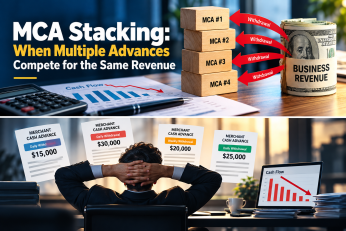
MCA Stacking: When Multiple Advances Drain Cash Flow

How many withdrawals can one sales dollar support before payroll becomes the next emergency? That question matters when more than one business cash advance pulls from the same operating account. The company may still look busy. Sales may keep coming in. The bank balance may even recover for a few days. Still, several daily or weekly deductions can commit tomorrow’s revenue early. That can happen before employees, suppliers, taxes, rent, or insurance are paid. MCA stacking is not risky only because several agreements exist. The real risk is their combined claim on the same cash flow. A few strong sales days can therefore hide the problem. The pressure only becomes obvious when several deductions hit before routine expenses are due.

What MCA Stacking Actually Looks Like

MCA stacking often starts with a decision that seems reasonable. The first advance covers an urgent need such as inventory or payroll. It may also cover repairs or a delayed customer payment. Repayment then starts reducing cash available for normal operations. A second offer can seem to restore that missing room. Soon, two or three providers may collect from the same account. The business receives new cash but creates more claims on future revenue. Merchant cash advance companies may use different collection structures. Owners should therefore review each agreement on its own. They should also look at the combined effect. List every automatic withdrawal, expected payoff period, fee, and required cash buffer. A profitable business can still face a liquidity problem. This happens when financing takes too much revenue before normal expenses are due. One way to measure the pressure is a conservative debt-service coverage review. Even without a formal lender calculation, compare available operating cash with total withdrawals. If little cash remains, another advance should trigger a full review, not an automatic renewal. Review this using a conservative cash figure, not the best recent week. That gives management a more realistic view of how much room remains after every provider collects.

Measure the Total Payment Burden

The clearest way to understand a stacked file is to combine everything. Create one debt schedule instead of reviewing each advance separately. Record the original amount received and the current payoff amount. Add the remaining obligation, payment frequency, and average weekly collections. Then compare the total with the business’s normal weekly cash inflow. This often shows why the account feels empty despite respectable sales. The balance matters, but the payment burden can matter even more. A smaller obligation with aggressive collections may create greater daily pressure. A larger loan with a predictable monthly payment may be easier to manage. Also compare the cash actually received with the cash expected to leave. Where possible, convert financing costs into a comparable annualized measure. Do not treat a factor or purchased amount like a standard interest rate. Keep financing collections separate from normal operating expenses in the books. When withdrawals are buried among many bank transactions, their impact is easy to miss. A weekly financing total makes the burden easier to compare with payroll and gross profit. This comparison also helps separate expensive debt from debt that is simply inconvenient. It gives the owner a clearer basis for deciding what needs attention first.

Why Another Advance Can Deepen the Problem

When cash is tight, another advance can look like the quickest answer. The problem is that new proceeds may cover pressure from older financing. If the funding does not raise revenue or fix the original timing gap, little changes. The business simply adds another withdrawal without adding a new cash source. This is how stacking can feed itself. Financing solves one shortage, repayments help create another, and another offer follows. Before accepting more money, separate the true business need from existing debt pressure. Ask how much funding supports the actual purpose. Then ask how much simply replaces cash taken by older obligations. If a large share serves the second purpose, the issue may be debt structure. It may no longer be a simple lack of capital. Owners should also review new restrictions, security interests, and contractual duties. A second or third provider can make later refinancing more difficult. The cash may solve this week’s problem while reducing next month’s options. The intended use of the new money should be written down before funding. If that purpose cannot produce or protect cash, the extra obligation deserves more scrutiny.

When Restructuring Becomes the Better Question

At some point, the better question changes. It is no longer, ‘Who will approve another advance?’ It becomes, ‘Can the existing obligations be reorganized?’ A refinance or consolidation review may make sense when the business is still viable. It may also help when several high-cost obligations consume too much operating cash. Consolidation does not erase debt or guarantee a lower total cost. The new structure should be judged on payment, term, fees, and payoff conditions. Collateral, guarantees, and total repayment also matter. Owners should calculate the cash left after the proposed payment. Test that figure in both an average month and a weak month. The new payment must leave room for payroll, vendors, taxes, and core expenses. If restructuring is being considered, request current payoff statements first. Estimated balances can become inaccurate while daily payments continue. Current figures show how much replacement financing is actually needed. They also reduce the risk of sizing the consolidation from rough estimates. Current payoffs also reduce closing surprises. They show whether fees, continuing collections, or small remaining balances could change the amount needed on funding day.

How Money Man 4 Business Approaches a Stacked File

Money Man 4 Business reviews stacked financing through the cash-flow picture. The first step is to understand every obligation, not only the newest one. MM4B can review balances, payment frequency, true cost, and operating-account withdrawals. It can then compare that burden with monthly-payment financing or qualifying consolidation options. For eligible high-cost debt, the company states that some qualifying consolidations may reduce interest and fees by two-thirds or more. Actual savings still depend on underwriting, existing contracts, and the new terms. Clients can also work with a CFO with 34+ years of experience. That support can help keep the focus on cash left inside the business. The aim is not another fast approval. It is a payment structure the company can operate with. After restructuring, management should decide how to use the cash that is freed. Part of it may need to rebuild reserves or catch up critical obligations. Without that step, lower payments may still lead back to the same borrowing cycle.

Frequently Asked Questions

Can several MCAs be consolidated?

Possibly. Eligibility depends on the business, existing obligations, payoff amounts, cash flow, credit profile, and the available refinancing program. Consolidation should be compared against the current debt stack before any decision is made.

Does stacking make it harder to qualify for better financing?

It can. Multiple frequent withdrawals may weaken cash flow and increase existing debt obligations, both of which can affect underwriting. The impact depends on the lender and the rest of the business profile.

Is taking a second advance ever reasonable?

It can be if the business has a clear short-term need, understands the full cost, and can comfortably support both obligations. It becomes risky when the new advance is mainly being used to survive the first one.

The Business Needs One Cash-Flow Plan, Not Four Competing Payments

MCA stacking becomes more dangerous when each agreement is viewed alone. Put every withdrawal on one page. Then ask how much revenue is already committed before the next payroll cycle begins. That single view makes the combined pressure easier to see. Money Man 4 Business can help owners compare the current debt stack with monthly-payment options. It can also review qualifying consolidation structures. The comparison should focus on true cost and cash flow, not approval speed. A better financing plan should leave enough room for normal operations and the next payroll.