
All posts in Business finance

Cash Reserve vs. Borrowed Capital for Small Businesses

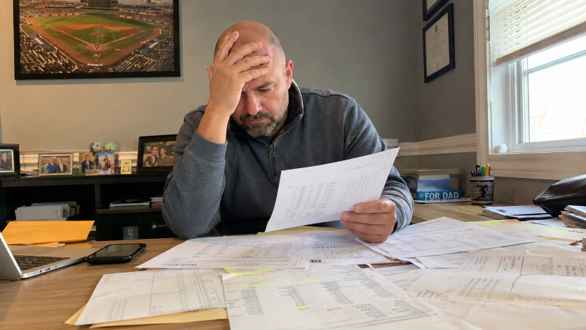
If every unexpected expense forces you to borrow, is the real problem limited credit—or limited reserves? Healthy businesses may use both cash and financing. They serve different purposes. A reserve protects operations when customers pay late or equipment breaks. It can also help when revenue drops. A business credit line or term loan can preserve cash for planned investments. It may also cover short timing gaps. The harder choice is knowing when to use cash and when to borrow. There is no reserve percentage that fits every company. The right level depends on payroll, fixed costs, supplier timing, seasonality, and access to reliable financing. A company with stable daily receipts may need less cash than one waiting weeks for customer payments. The reserve should reflect that difference.

 

Why Liquidity Matters Even When Credit Is Available

Available credit is not the same as cash in the bank. A lender may change underwriting standards or ask for more documents. A line can be reduced, and a new request can be declined. These changes may happen when the business is already under stress. Cash reserves remain under the company’s direct control. They can cover payroll, repairs, insurance deductibles, or delayed customer payments. They do so without creating another monthly obligation. Borrowing capacity still has value. It should support liquidity, not replace it entirely. A company with no reserve may discover that borrowing is hardest when cash is needed most. Start with enough cash to handle normal volatility. Then use credit as a second layer. A practical plan can separate operating cash, emergency reserves, and growth capital. Keeping all three in one balance makes it easier to spend the emergency cushion by mistake. This separation also makes spending decisions clearer. Management can see what is available for growth without confusing it with cash needed for emergencies.

Set a Practical Operating Reserve

Do not choose a reserve from an arbitrary share of annual revenue. Build it from real obligations. Start with one payroll cycle, rent, taxes, insurance, utilities, and key suppliers. Include critical subscriptions as well. Then consider how long customers usually take to pay. Think about how weak revenue becomes in a slow season. A business with daily deposits may need less emergency cash. A contractor waiting 45 or 60 days for large payments may need more. Build the reserve gradually if necessary. The key is knowing the target and protecting it from normal spending. Keep growth capital separate from emergency cash. Buying an asset should not leave the company exposed to the next payroll delay. Also consider concentration risk. A company dependent on one major customer may need a larger reserve. The same applies when one supplier or piece of equipment is essential to operations. Review the target after major changes in payroll or fixed costs. A reserve that once covered one month may become too small as obligations grow.

When a Credit Facility Belongs in the Backup Plan

A revolving facility can help with recurring timing gaps. The business may draw, repay, and reuse funds under the agreement. Owners should understand the business line of credit requirements before an emergency. Review financial documents, credit standards, guarantees, collateral, and fees. Also check whether access is committed or can change. A line is usually easier to arrange while the business is healthy. It can then sit behind cash reserves as a second liquidity layer. The owner should still know the borrowing cost and expected repayment period. A line that stays permanently drawn may signal a bigger issue. The business may need longer-term financing or restructuring instead. Review the conditions for continued access as well. Reporting rules, borrowing-base calculations, covenants, renewal dates, and lender discretion can all affect reliability. Ask how the lender can change the facility before treating it as emergency cash. A stated limit is useful only when the business can still access it.

Decide When to Use Cash and When to Borrow

Using cash avoids interest and fees. Spending too much cash, however, can weaken the business. Borrowing preserves liquidity but creates a repayment obligation. Compare the expected return with future cash-flow stability and financing cost. Suppose equipment will generate revenue for several years. Paying for it with all available cash may leave the company too exposed. A term loan may preserve reserves and match payments to the asset’s useful life. The opposite case also matters. Using expensive debt for a routine bill may point to a deeper operating problem. The best capital structure protects liquidity and uses debt for a defined purpose. That purpose should support repayment. Review the decision again after the project is complete. Stronger-than-expected cash generation may allow faster debt reduction. Slower performance may show why keeping the reserve was valuable. Flexibility is one reason not to exhaust cash unnecessarily. The decision should also consider timing. Cash used today may be difficult to rebuild before the next payroll, tax payment, or seasonal slowdown.

How Money Man 4 Business Can Help Plan Financing Capacity

Money Man 4 Business can include financing inside a wider liquidity plan. The discussion does not have to start with the maximum amount available. MM4B can compare expected monthly payments with normal operating cash needs. It can also consider the reserve the owner wants to protect. Depending on the situation, the solution may be a term loan, SBA financing, a credit line, or consolidation. Clients can work with a CFO with 34+ years of experience. That review can help assess how much cash remains after financing. The aim is to avoid another borrowing request every time something goes wrong. Healthy financing should provide flexibility while preserving a practical cash cushion. Debt service should also be included in the reserve test. A new monthly payment may require a higher minimum cash balance. Review liquidity again after every major financing decision. The reserve test should include a weak month, not only normal performance. That shows whether the business can carry the new payment through ordinary volatility.



Frequently Asked Questions

Should I use cash reserves before borrowing?

Not always. Compare the cost of borrowing with the value of preserving liquidity. Using all available cash for a long-term investment can leave the company vulnerable to ordinary operating surprises.

Is unused credit the same as cash?

No. Credit is subject to a lender agreement and may depend on ongoing eligibility, documentation, limits, and terms. Cash reserves are immediately controlled by the business.

How do I decide the right reserve level?

Base it on payroll, fixed expenses, supplier needs, receivable timing, seasonality, and the normal size of unexpected costs. There is no single percentage that fits every business.

A Strong Business Has More Than One Source of Liquidity

Cash reserves and borrowed capital should support each other. Build reserves around real operating obligations. Arrange financing before distress when possible. Borrow for defined purposes that can support repayment. Money Man 4 Business can help compare monthly financing obligations with the cash the company needs to keep. Review the reserve target as the business changes. New staff, a larger lease, more debt, or customer concentration can all raise liquidity needs. A reserve that worked two years ago may no longer fit the business today. Financing capacity should be reviewed with the reserve target, not separately. More debt can increase the amount of cash the business needs to keep available. The policy should be reviewed at least when fixed obligations change. That keeps the reserve tied to the business’s current size and risk.


When Working-Capital Debt Becomes Permanent

Are you financing a temporary gap—or borrowing every month to keep the same expenses paid? A working capital loan should bridge a defined cash-flow need. It may cover inventory before sale or labor before an invoice is collected. The problem starts when the gap never closes. If new working capital funding repeatedly covers payroll, taxes, vendors, or old debt, the role has changed. Financing may now be supporting a structural shortage. Another loan can delay the pressure without fixing its cause. Before borrowing again, the business needs to understand why cash keeps disappearing. A temporary need should also have a clear repayment source. If no specific inflow is expected, another


Temporary Gaps Versus Structural Shortages

A temporary working-capital gap has a clear beginning and end. The business spends cash first and expects a clear inflow later. A wholesaler buys goods, then collects 30 days after delivery. A contractor starts a project and receives payment after work is completed. Financing can bridge those timing gaps. A structural shortage is different. Expenses keep exceeding operating cash even after customers pay. The cause may be weak margins, high overhead, too much debt, or slow collections. An expansion may also have failed to produce the expected return. Identify the cause before adding financing. Debt can solve timing. It cannot permanently fix a business that uses more cash than it creates. A true timing gap should also be measurable. Management should be able to point to the invoice, season, or payment that closes it. A vague repayment source can be a warning sign. The borrowing may be covering ordinary losses rather than a temporary mismatch. The distinction matters because the financing decision changes with the cause. Timing may need short-term support, while weak margins or overhead need operating changes.

Warning Signs That the Debt Is Becoming Permanent

Several patterns can show that working-capital debt is becoming permanent. The business renews financing before the old balance is paid. New debt may be used to service earlier debt. Taxes are delayed, vendors are stretched, or overdrafts become common. Payroll may depend on financing even when sales are near normal. Another warning appears when management cannot identify the repayment event. ‘Future sales’ is not enough without a clear margin and timing plan. These signs do not mean the business is automatically failing. They do mean the next step should be diagnosis, not another application. Watch the relationship between sales and borrowing as well. Growth can use working capital, especially during expansion. Still, higher volume should eventually create more free cash. If borrowing rises every time sales rise, margins or operating costs may be the deeper problem. Frequent returned payments or late vendor extensions can add cost as well. Those secondary problems can make the original cash shortage worse over time.

Follow the Cash-Conversion Cycle

Map how cash moves through the business. When is inventory purchased? When is labor paid? When is the customer invoiced? How many days pass before cash is collected? What share of sales goes to direct costs, overhead, taxes, and debt service? This cash-conversion cycle can separate timing problems from margin problems. A profitable business with slow-paying customers may need better collections. A suitable credit line may also help. If each job loses money after overhead and financing costs, more working capital funding can make the loss larger. Ask whether financing is accelerating a profitable cycle. Or is it funding a deficit that remains after the new money is spent? Where possible, review the cycle by product line or job type. A company can look profitable overall while one major service or customer consumes cash. Finding that source may be more useful than finding another lender. Track the cycle in days where possible. Knowing how long cash stays tied up in inventory and receivables can show whether financing is actually shortening a gap.

Decide Between Fresh Capital and Restructuring

Fresh capital can make sense when the use is clear and repayment is credible. It may finance profitable inventory or a contracted project. It can also bridge a temporary seasonal gap. Restructuring deserves more attention when existing debt consumes the cash needed to operate. In that case, replacing frequent high-cost obligations may create more value than adding debt. A more manageable monthly structure can reduce immediate pressure. Restructuring still requires a viable business. If normal operations lose money, a lower payment only buys time. Combine financing with changes to pricing, costs, collections, inventory, or overhead when needed. Money should support the turnaround plan, not replace it. If restructuring is chosen, set operational milestones. These may include lower receivable days, better gross margin, less overtime, or current taxes. The refinance then becomes part of a measurable plan instead of a stand-alone financial event. The milestones should be reviewed after closing. If margins, collections, or overdue obligations do not improve, management should address the cause before adding more financing.

How Money Man 4 Business Reviews the Whole Cash-Flow Picture

Money Man 4 Business reviews whether a company needs new capital, better debt structure, or both. MM4B can look at current obligations, operating cash flow, and customer-payment timing. The purpose of the requested funds also matters. When existing debt causes most of the pressure, qualifying consolidation or refinancing may help. A monthly schedule can also make payments more predictable. Clients can work with a CFO with 34+ years of experience. That support may help distinguish a temporary working-capital need from a structural shortage. The aim is to avoid using new financing only to keep old financing alive. A healthier plan should show how the company returns to normal operations. Owners should also separate growth-related shortages from distress-related shortages. A fast-growing business may need cash because profitable sales require inventory and labor first. That is different from borrowing because normal revenue no longer covers normal expenses and debt. The review should also consider whether growth itself is creating the shortage. Profitable expansion can need working capital even when the underlying business remains healthy.


Frequently Asked Questions

How do I know if a working-capital problem is temporary?

A temporary problem usually has a specific cause and a reasonably identifiable future cash inflow, such as a receivable, seasonal sales cycle, or contracted project payment.

Can refinancing fix a structural loss?

Refinancing can reduce payment pressure, but it cannot make an unprofitable operation profitable by itself. Cost, pricing, margin, and operational issues may need to be corrected at the same time.

What information should I review before borrowing again?

Review cash flow, debt payments, bank statements, receivable timing, vendor obligations, taxes, margins, and the exact business purpose of the new financing.

Borrowing Should Bridge a Gap, Not Become the Business Model

When working-capital debt keeps renewing, stop and review the cash-flow system. Determine whether the shortage comes from timing, margin, or existing debt pressure. Money Man 4 Business can help compare fresh capital with qualifying restructuring. Monthly-payment options can also be reviewed. A useful question is simple: Could the business stop borrowing for six months if customers paid on normal terms? If the answer is no, identify why before adding more capital. That question often separates a timing gap from a structural dependence on financing. If normal customer payments would still leave the company short, the problem is likely deeper than timing. That deserves an operating or restructuring review.